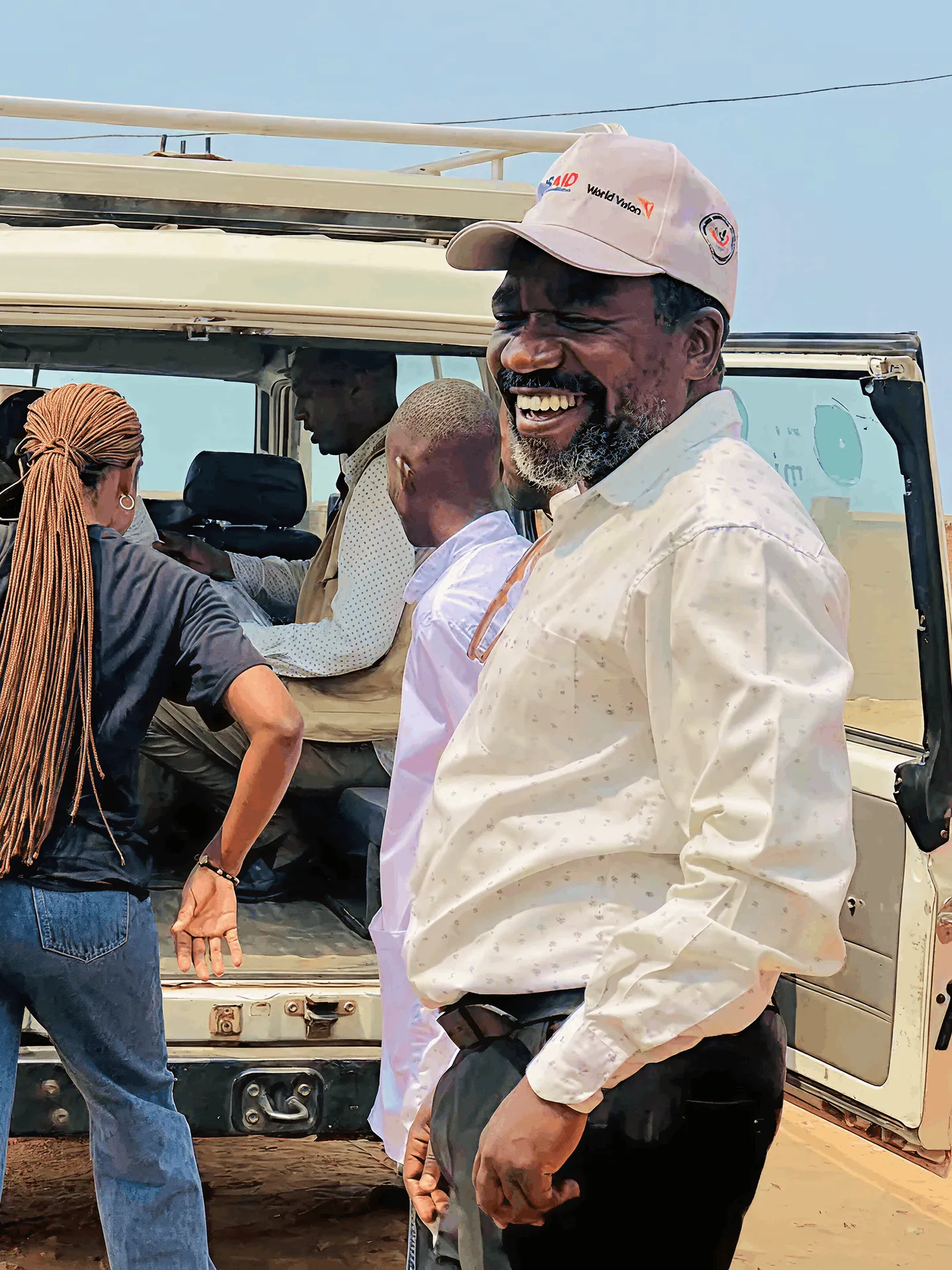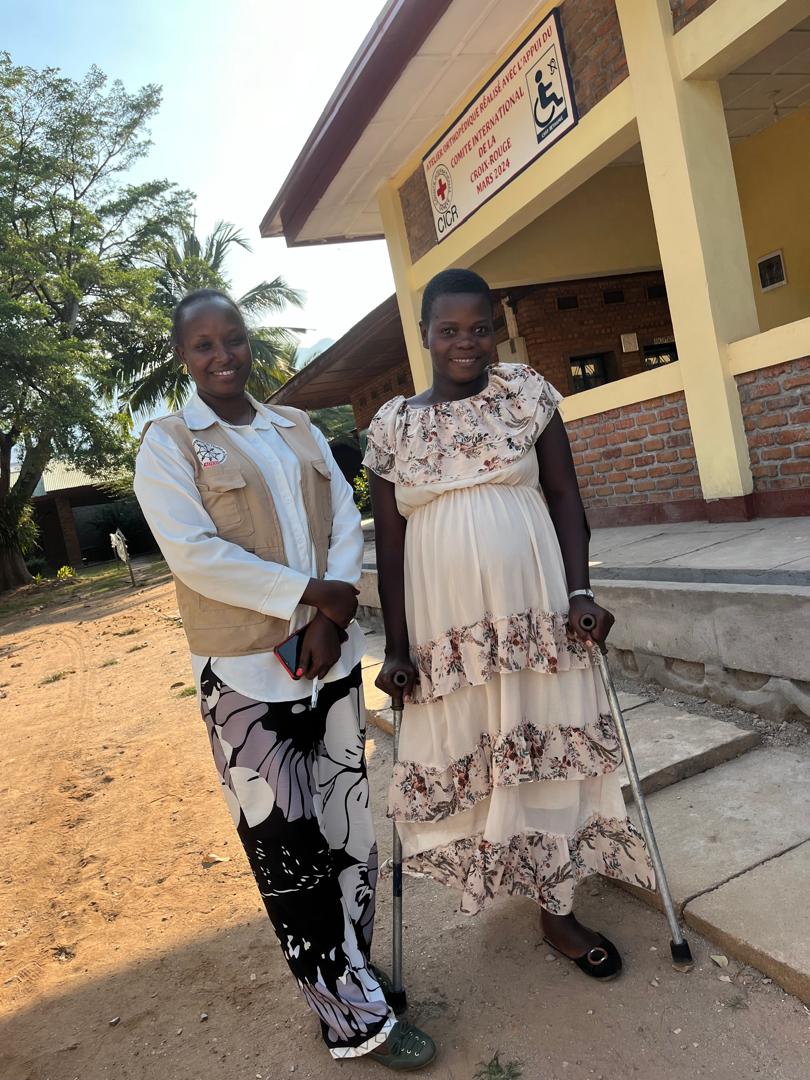

On 8 October 2022, the results of an independent evaluation of the Tunafasi community-based rehabilitation (CBR) program in Uvira, Democratic Republic of Congo, were published, providing evidence on both the health impact and cost-effectiveness of the approach. The program is implemented by ADED with support from Impaction and works in partnership with government services to expand access to rehabilitation for persons with disabilities through existing community and health systems.
The evaluation, led by senior health economist and researcher Kelsey Vaughan and supported by Raam Thapa, assessed both effectiveness and affordability using established health-economic methods, and was published in the African Journal of Disabilityin 2023. The study examined outcomes for 511 persons with disabilities who received medical rehabilitation services between 2019 and 2021 through the program.
It is important to note that this cost-effectiveness analysis focused specifically on the medical health rehabilitation pillar of the CBR approach. It therefore captures only one component of the overall Tunafasi program of ADED in Eastern DRC. In practice, the full program integrates all CBR pillars — including inclusive education, livelihoods, social protection, and participation — which together contribute to broader wellbeing, social inclusion, and long-term resilience for children and youth with disabilities and their families.
Using Disability-Adjusted Life Years (DALYs) to measure health impact. DALY measures the overall burden of disease, representing a year lost due to ill-health, disability or early death, by combining life expectancy and the adjusted quality of life. Therefore, one DALY equals the loss of one year of healthy life.
The external evaluation found that the program:
- Averted 234 DALYs, meaning that the program supported people gain the equivalent of 243 years of healthy life that would otherwise have been lost due to disability, illness or premature death. Therefore, demonstrating measurable improvements in health and functioning
- Achieved these results at a cost of approximately US$224 per DALY averted
- Performed within widely accepted cost-effectiveness ranges for comparable low-resource settings
What this means
Beyond measurable health outcomes, the study highlights the value of integrating rehabilitation into existing government systems rather than creating parallel services. This approach strengthens local capacity, supports long-term sustainability, and promotes shared responsibility between communities and public institutions.
The evaluation also identified opportunities to further improve efficiency and scale — reinforcing the importance of continuous learning, adaptation, and evidence-informed implementation.
Overall outcome
The findings show that community-based rehabilitation (CBR) can deliver meaningful health gains in a cost-effective and system-strengthening way. Even when examining only the medical pillar, the program demonstrates strong value for investment. Combined with its broader work across education, livelihoods, social protection, and participation, the Tunafasi approach by ADED contributes to more inclusive, sustainable, and locally owned systems of support. Importantly, these results were achieved in the challenging and resource-constrained context of eastern DR Congo, demonstrating that structured CBR approaches are feasible even in fragile health system environments.
Read Cost-Effectiveness Evaluation
Click here for Vaughan's (2022) full study and learn more about the Tunafasi program’s impact in Uvira, Eastern DRC.