Make lasting change
TUNAFASI works alongside local leaders and grassroots organisations in the Global South. Local leadership, trust and deep mutual understanding are at the heart of every partnership.
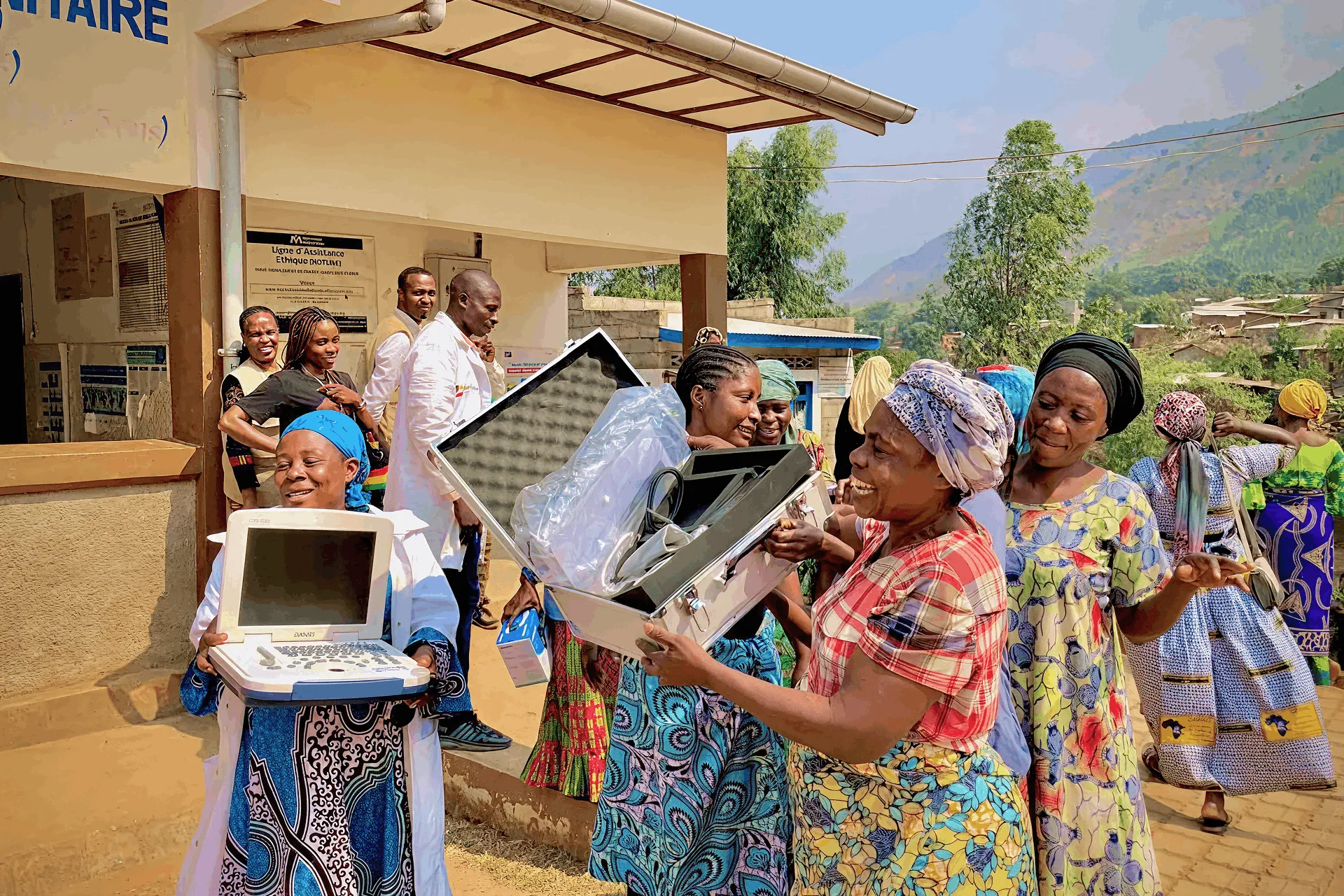
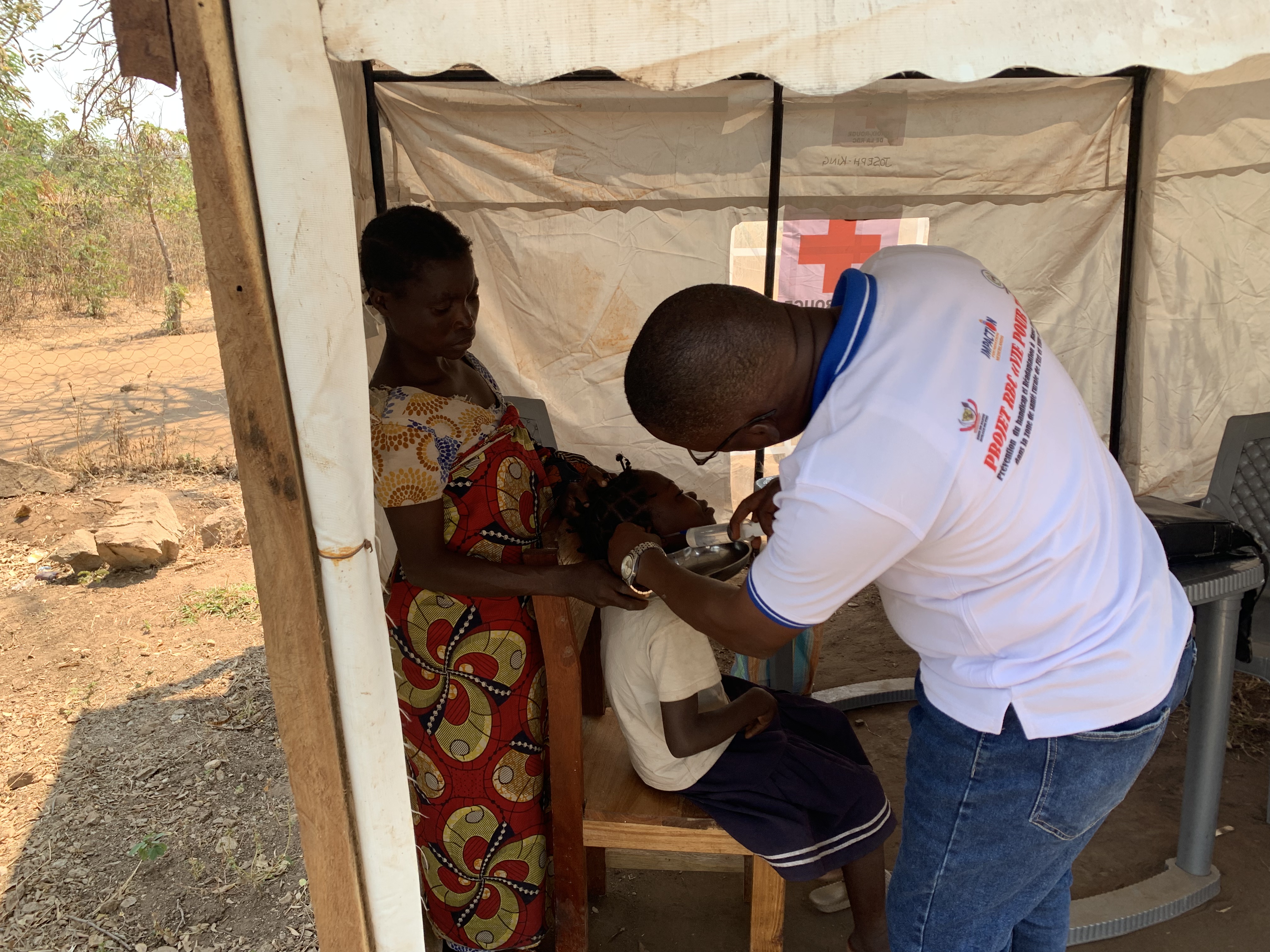
maternal and child health care in Uvira ©ADED 2024.


TUNAFASI's Grassroots Partners
Meet our trusted grassroots partners
Supporting bottom-up system change initiatives: why it matters
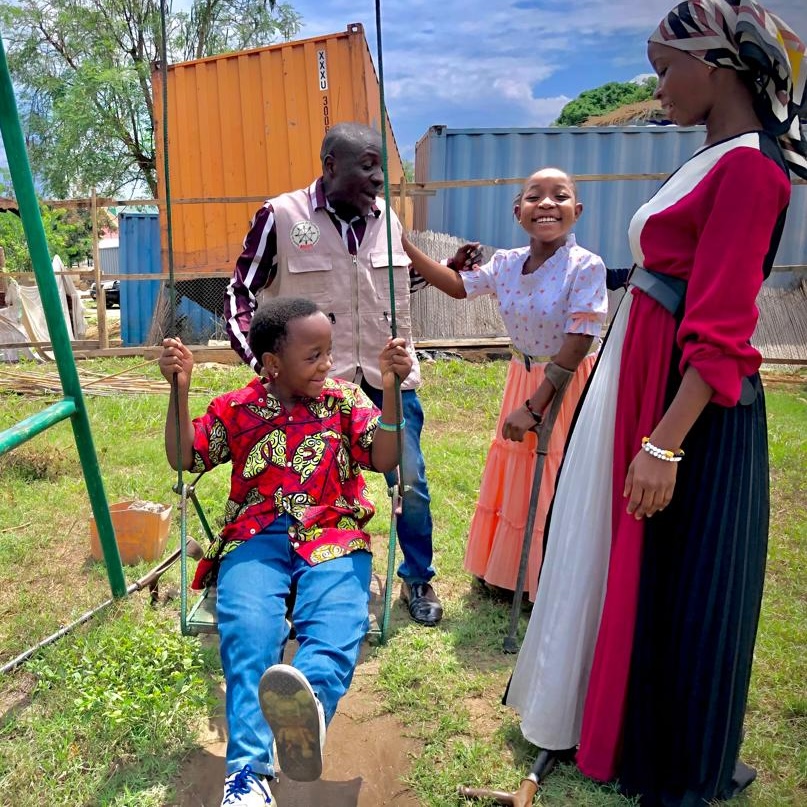
Grassroots organisations are closest to the communities they serve. With knowledge of existing systems, policy and laws, the people, and what is already there to build on. Supporting grassroots organisations means catalyzing and strengthening what exists from within, not creating parallel structures.
For over 25 years, TUNAFASI's founder has worked with grassroots organisations across Asia, Africa and Latin America, specialising in bottom-up system change initiatives towards disability inclusion (DPRP) in low-income and conflict-affected contexts.
At the heart of everything is a clear exit strategy. From day one, the focus is on who will lead the work when external support ends, what locally-led looks like in practice, and how local ownership grows from the start. Because lasting change is only lasting when communities lead and own it themselves.
The support TUNAFASI offers
Strategic Support
TUNAFASI provides strategic and organisational coaching to grassroots partners in contextualising and designing bottom-up system change programmes, including theory of change, exit strategies, and cost-efficiency. All activities are integrated into existing local systems, with clear exit strategies and local cost-sharing built in from the start.

Coordination, Network & Visibility
Connecting grassroots organisations to funders, networks, and peer grassroots organisations to catalyze and scale sustainable and locally-led impact. This includes facilitating visibility towards funders and policymakers, supporting grassroots partners to make their work and impact known beyond their immediate context.
Early-Stage Funding
Risk capital to get existing or new, sustainable initiatives off the ground. Initiatives that are rooted in and integrated into local systems. Grassroots partners are connected with European philanthropists and corporate foundations, especially in the early phase, with the aim of strengthening direct, trust-based funding relationships between funders and grassroots organisations.
Knowledge and Learning Hub
A co-created platform where organisations working towards bottom-up system change approaches; to come together to share knowledge, learn across contexts, and make collective impact visible to funders, policymakers, and the world beyond.
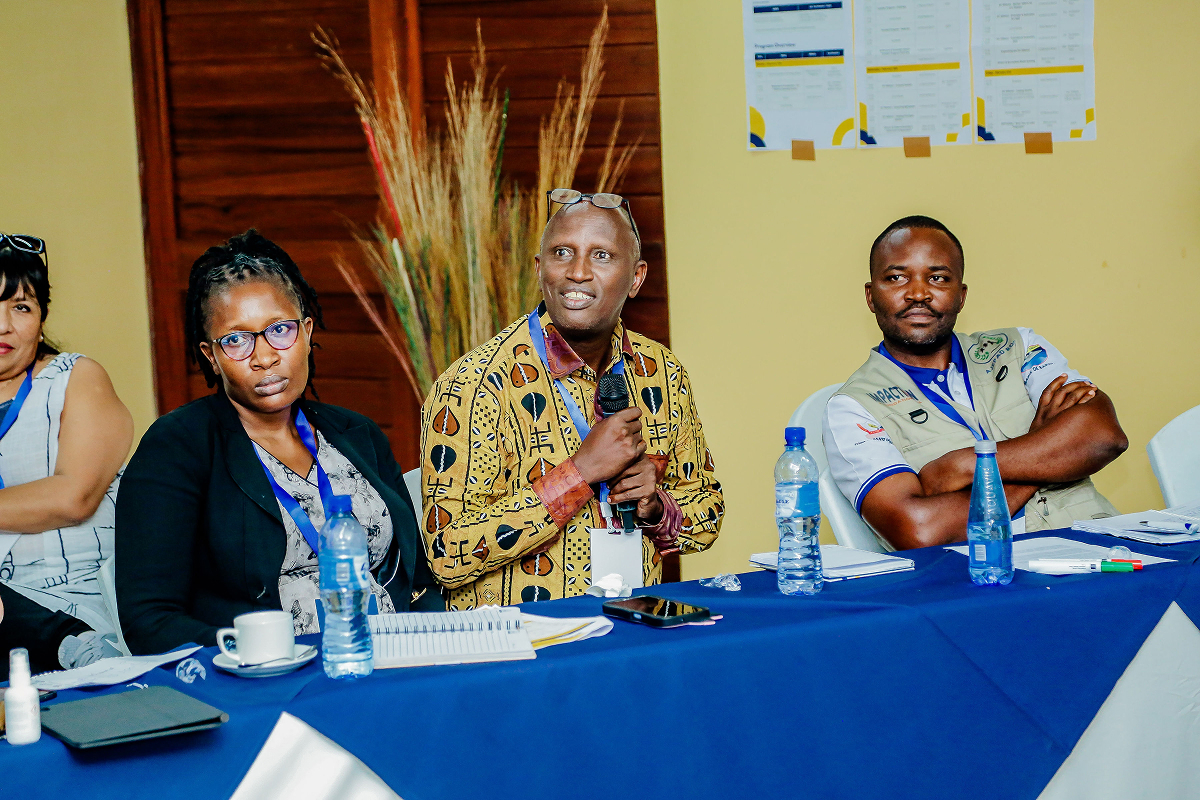
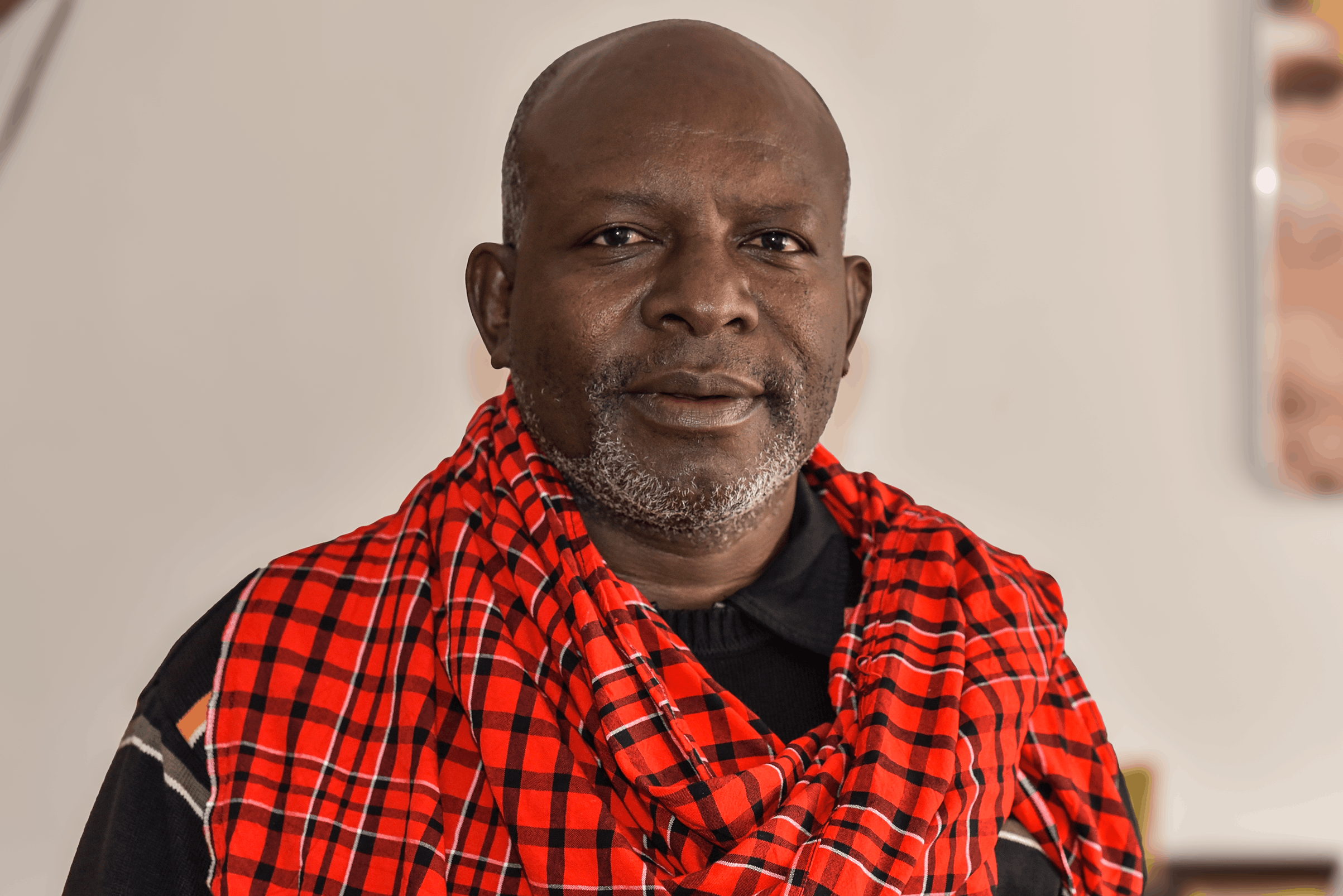
Hear directly from our partners
Their experiences working together with TUNAFASI

Our 5 step process for every partnership
How we work with our partners.
Step 1: Building mutual understanding and trust
Before anything else, the conversation starts with getting to know each other. Do we share the same vision and approach towards development: rooted in locally-led change, local ownership and a clear exit strategy? Is there a foundation of mutual trust and understanding to build on?
Step 2: field visit & planning phase
Using a shared framework, the partner conducts a local context analysis and feasibility study, followed by a visit from a Tunafasi team member to the local context. Preferably also accompanied by a learning visit to one of TUNAFASI's grassroots partners. Based on these insights, both parties decide together whether to move to the pilot phase.
Step 3: Pilot phase
The pilot phase typically takes 6–12 months. Rather than rolling out a full programme, this phase is about strengthening the foundations. For the DPRP programs this means setting up a steering committee with local leaders, conducting a needs assessment, signing a Memorandum of Understanding with local government, and mapping existing services and gaps. If the pilot is successful, both parties are ready to scale.
Step 4: Implementation and scaling-up
Over 2–3 years, Tunafasi is commited to the partnership supporting where it's most needed. For DPRP program this means The partner implements the full programme by integrating it into existing local systems, starting in one area and expanding over time. Cost-sharing becomes central, with local government leading and co-financing the programme. Through this process, the partner becomes a full member of the TUNAFASI network; exchanging best practices, acces to the 'Tunafasi's learning hub'l, essons learned and advocacy strategies with peer organisations across the network.
Step 5: Time to exit
When the programme is embedded in local systems, both TUNAFASI and the grassroots organisation gradually step back, handing full leadership and ownership to local government and communities. The grassroots organisation is then ready to expand the approach to new regions, and where needed, TUNAFASI offers support to secure follow-on funding for that next phase. Throughout, partners remain part of the international TUNAFASI network, continuing to exchange knowledge, access funding opportunities and benefit from shared digital tools.
TUNAFASI is supporting a movement with a group of partners to reach more then 650.000 people by 2030
TUNAFASI works with grassroots organisations that are deeply rooted in their communities and share the same principles on locally-led, trust-based, and exit-strategies from day one.
We invest time in building trusted partnerships and grow with a small number of new partnerships each year.
If this resonates, you can reach out with a short introduction, we are always glad to learn about your work and explore whether we can support.