Disability, Prevention and Rehabilitation Program (DPRP)
The Disability Prevention and Rehabilitation Program (DPRP) is an approach originated in Nepal that improves access to holistic, inclusive rehabilitation services for persons with disabilities, especially children, youth, and their families within their communities. Alongside this, DPRP also addresses disability prevention at its earliest stages by promoting prenatal care, institutional delivery, and safe infancy practices for women of reproductive age.
Using Community-Based Rehabilitation (CBR) as its foundation, the goal of DPRP is to fully integrate CBR and prevention of birth defects and childhood disabilities into existing governmental and public services (health, education, social support, participation), ensuring local leadership, ownership and long-term sustainability from the start. This guarantees a successful termination of the external support within 5 years maximum (context depending).
What is Community Based Rehabilitation (CBR)?
The DPRP approach is based on the CBR model developed by the World Health Organization (WHO) that promotes the inclusion and participation of persons with disabilities through coordinated efforts across areas of health & prevention, education, livelihood, social support, and participation. To improve the livelihood of persons with disabilities, all areas need to be taken into account to become disability inclusive and enable accessible environments. See below what the different areas include:
Health & Prevention
10.000Children supported
Education
10.000Children supported
10.000Children supported
Livelihood & Income
Social support
10.000Children supported
Participation
10.000Children supported
10.000Children supported
The origin of DPRP
The DPRP approach was developed by Karuna Foundation in Nepal starting in 2008. As explained above, the model integrates CBR and Prevention into existing governmental systems and services, and emphasizes on local ownership, cost-effective results, a clear exit strategy from the start, and an entrepreneurial mindset: encouraging innovative, bold, and risk-aware approaches to achieve sustainable, long-lasting impact in the community even after external funding ends. The approach started in Nepal in two small villages and was later scaled to one entire province (Koshi Province), with the Nepalese provincial government taking full leadership and ownership.
After this, DPRP has been contextualised to DRC, Tanzania, and Kenya, implementing solutions that reflect each country’s unique context, laws and policies.
Goals DPRP

Quality of Life Change
Improve the well-being of children and young persons with disabilities, and their families, across all CBR pillars (health, prevention, education, livelihood, social support, and participation).

Behavior Change
Foster acceptance and inclusion of persons with disabilities in families, communities, and leadership structures. Encourage community support and awareness of rights, needs and participation.

System Change
Influence local and national policies, budgets, and service delivery to include disability, and ensure that persons with a disability are part of decision-making processes—with governments taking responsibility for system integration and accountability.
DPRP in practice
The DPRP approach is implemented over a maximum period of 5 years (depending on context) and is structured around three interconnected phases: Preparation, Implementation, and Consolidation. From the start and throughout all phases, the program is owned and led by the (local) government, with active involvement of the community through a Community Based Rehabilitation (CBR) Steering Committee. The NGO plays a catalytic role by providing technical support only and does not directly implement services.
After 5 years, the government and community has integrated the DPRP approach and is structurally allocating more public funding to disability and prevention. At this very moment the external funding stops.
Preparation Phase (6-12 months)
This phase focuses on assessing readiness and building a strong foundation for implementation. Key activities include willingness and context assessments, organizational capacity analysis, and a baseline survey on service gaps, behaviors, and existing systems and policies. Based on these findings, training needs are identified and addressed. Door-to-door assessment is conducted to identify children and youth with disabilities, and their families, individual rehabilitation plans and budgets are developed, and an Memorandom of Understanding (MoU) is signed with the local government.
Implementation Phase (2-3 years)
During implementation, all necessary services are provided to support the personal goals of children and youth with disabilities, while simultaneously promoting system and behavior change. Government staff and community volunteers play a central role in service referral, delivery and awareness-raising. This phase follows a cost-sharing model, with contributions from government, the NGO, and where possible the community and private or religious actors, aiming for a gradual transition to full local ownership and financing.
Consolidation Phase (1 year)
The consolidation phase marks the last year before program’s exit. The NGO provides final coaching, capacity strengthening, and technical support to ensure sustainability. An endline evaluation and lessons-learned process support continuous improvement and enable government and community actors to independently continue and adapt the integrated program that continues the support of children and youth with disabilities in all CBR service areas (health, prevention, education, social support, and participation).
Read more on DPRP in different contexts
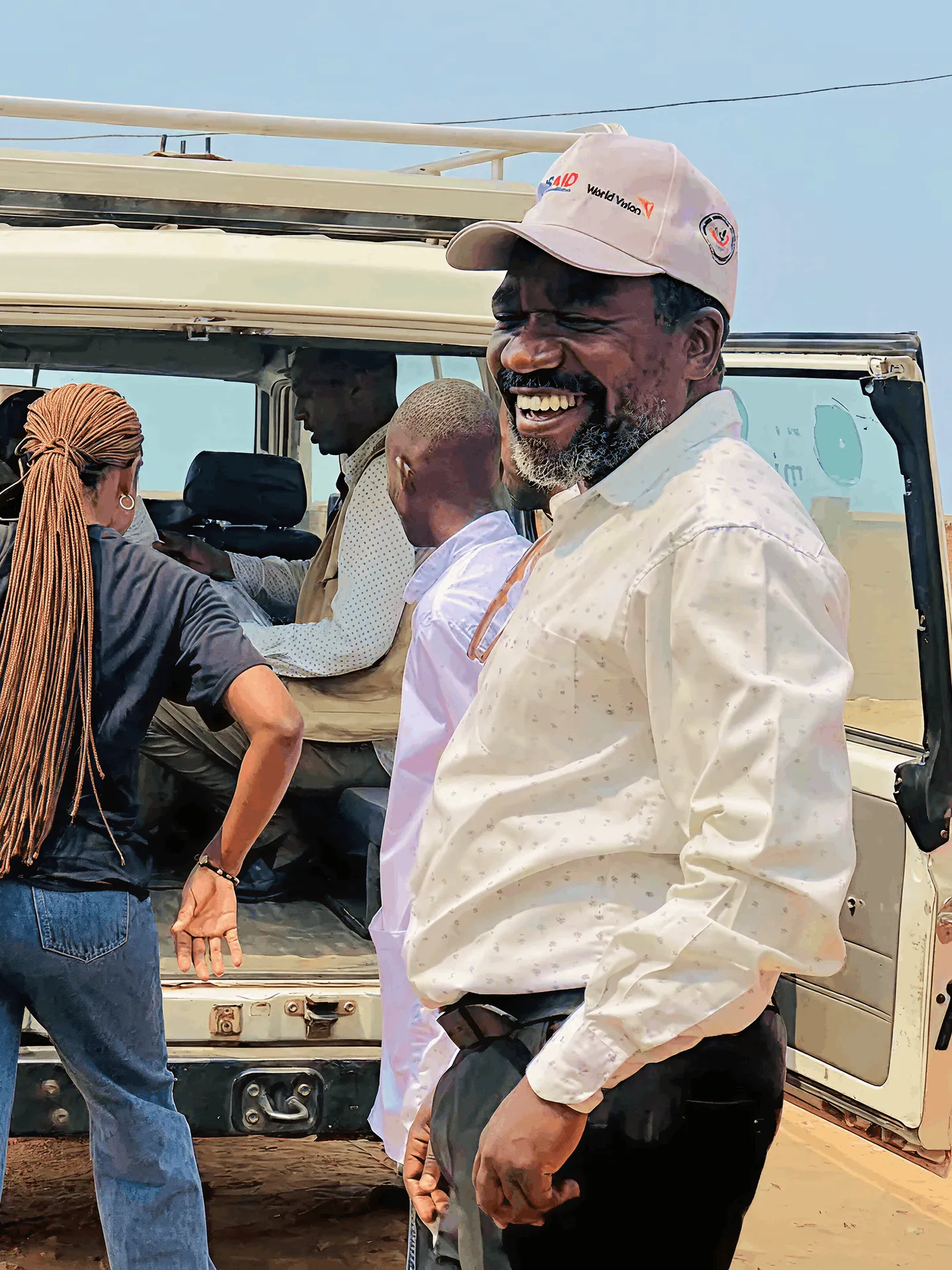
Rethinking Development: Ownership, Agency, and the End of External Dependency
A new opinion piece by Deepak Raj Sapkota and Uttam Sharma argues that lasting development must be driven from within, by communities and governments who own the process from day one. Drawing on Nepal's DPRP program, where 73 municipalities now operate without external funding, they show this is not idealism but a proven practice.

The Story of Damas: A Blind Young Man Becoming a Lawyer in the DRC
Damas lost his sight at 14, yet went on to become one of the best law students in Bukavu in the DRC, determined to defend the rights of people with disabilities. His journey — supported by the Tunafasi program of ADED — shows that believing in someone can be the spark that changes everything.
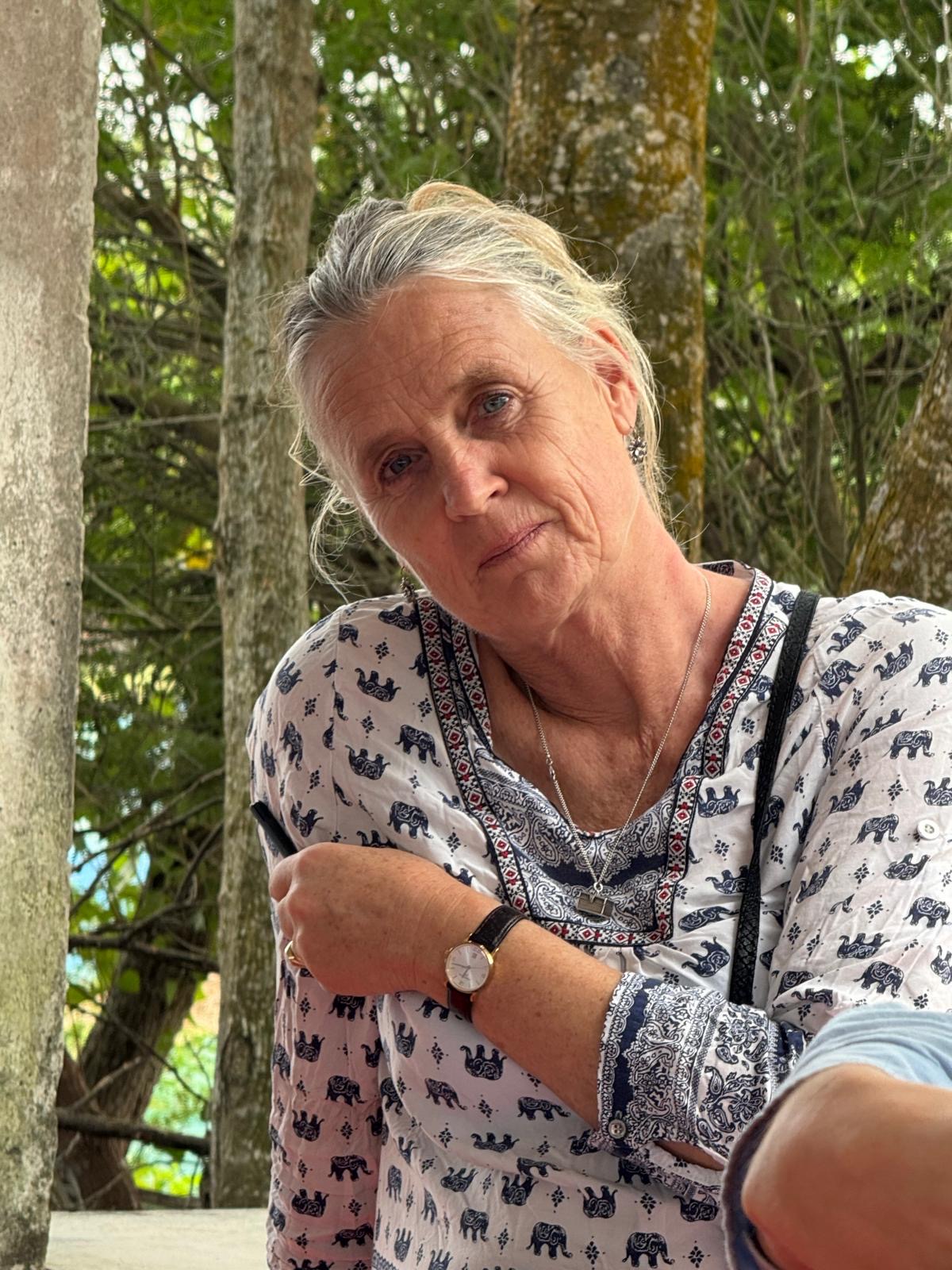
Training Trainers, Strengthening Communities: A 10-Week DPRP Training in Tanzania
From intensive classroom sessions to hands-on field practice in rural communities, the recent 10-week Disability Prevention and Rehabilitation Programme (DPRP) Training of Trainers marked an important milestone in strengthening Community Based Rehabilitation (CBR) across different countries Africa.
DPRP-Hub under construction
Current grassroots partners are expanding their work within their countries, while a growing number of other organisations across different regions are expressing interest in adopting the DPRP approach.
To support this growth, ADED DRC, Karuna Nepal, and TUNAFASI are joining forces to establish a practical DPRP Hub. The Hub will consolidate knowledge and field-based learnings, translate proven approaches into practical manuals and structured learning pathways, and provide hands-on coaching.
Its purpose is simple: to support organisations and governments with a faster start, avoid common pitfalls, and scale with quality and impact.
- More information will be shared soon.