Catalyzing bottom-up system change
TUNAFASI supports local leaders and grassroots organisations working with the most marginalised communities, in low-income and conflict-affected contexts. These are the communities most overlooked by existing systems, where needs are greatest, and where the smallest shift from within can spark lasting change. Because systems that include the most marginalised work for everyone.
Our 4 key forms of support
Strategic Support
TUNAFASI provides strategic and organisational coaching to grassroots partners in contextualising and designing their programmes, including theory of change, exit strategies, and cost-efficiency (e.g. DPRP). All activities are integrated into existing local systems, with clear exit strategies and local cost-sharing built in from the start.

Coordination, Network & Visibility
Connecting grassroots organisations to funders, networks, and peer grassroots organisations to catalyze and scale sustainable and locally-led impact. This includes facilitating visibility towards funders and policymakers, supporting grassroots partners to make their work and impact known beyond their immediate context.
Early Stage Funding
Risk capital to get existing or new, bottom-up system change initiatives off the ground. Initiatives that are rooted in and integrated into local systems. Grassroots partners are connected with European philanthropists and corporate foundations, especially in the early phase, with the aim of strengthening direct, trust-based funding relationships between funders and grassroots organisations.

Knowledge and Learning Hub
A co-created platform where organisations working towards bottom-up system change come together to share knowledge, learn across contexts, and make collective impact visible to funders, policymakers, and the world beyond.
Why we do what we do
Sustainable change takes root when it is locally-led and locally owned. TUNAFASI's role is to amplify that, while direction and ownership stay with local leaders, and communities. That means strengthening what communities already know and do. Whether navigating disability, climate change, or other forms of marginalisation. Sometimes a small spark or investment from within is all it takes to strengthen or unlock what is already there.
That is why TUNAFASI responds to where the ask is, offering peer networks, practical strategies and early-stage support to those who seek it, for a limited period, with as few external resources as possible, and always starting from a shared commitment to sustainability, trust and local ownership.
Support that acts as a catalyst. Small and flexible in scale, time-limited and demand-driven by design.
The ultimate goal is that TUNAFASI's role becomes unnecessary. That exit strategy starts on day one.
TUNAFASI's Focus
TUNAFASI supports grassroots organisations that implement community-based programmes strengthening existing local health, education and social systems, so that persons with disabilities and other marginalised groups can fully participate in society.
TUNAFASI's core expertise lies in the Disability, Prevention and Rehabilitation Programme (DPRP) approach originated in Nepal, with more than 25 years of practice and demonstrated impact as evidence that bottom-up system change approaches can work, scale, and last.
Stories of the organisations
TUNAFASI supports
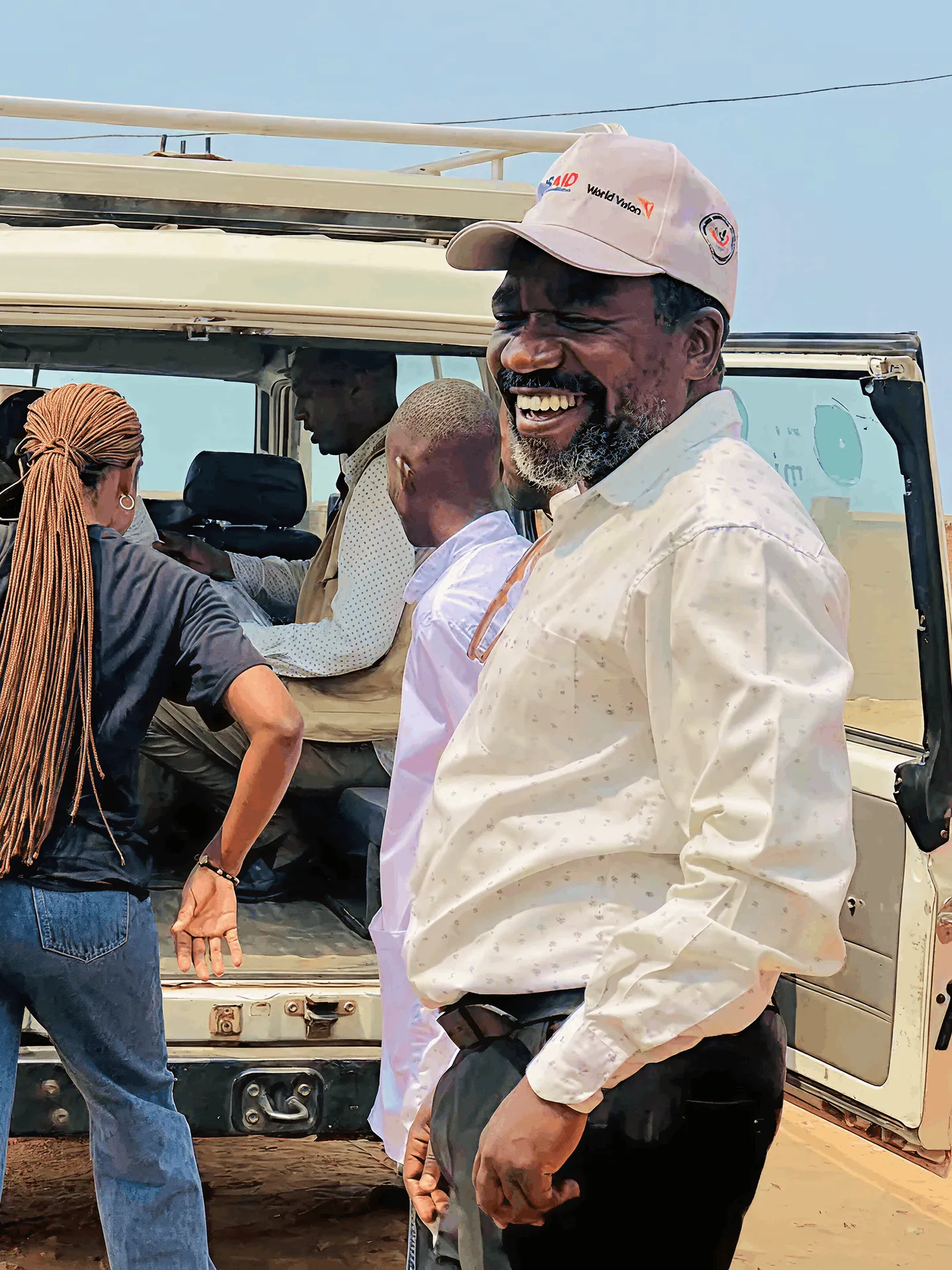
‘Every ending is a new beginning somewhere else’: Workshop on exit at the Friends of Effatha
A keynote and workshop session on “exit” was held, where examples from Nepal and DR Congo were used to amplify how development work can continue once external support ends. Participants reflected on making their own roles redundant and shifting ownership to local partners, communities, and governments, guided by the idea that 'every ending is a new beginning somewhere else'.

Rethinking Development: Ownership, Agency, and the End of External Dependency
A new opinion piece by Deepak Raj Sapkota and Uttam Sharma argues that lasting development must be driven from within, by communities and governments who own the process from day one. Drawing on Nepal's DPRP program, where 73 municipalities now operate without external funding, they show this is not idealism but a proven practice.
The Story of Damas: A Blind Young Man Becoming a Lawyer in the DRC
Damas lost his sight at 14, yet went on to become one of the best law students in Bukavu in the DRC, determined to defend the rights of people with disabilities. His journey — supported by the Tunafasi program of ADED — shows that believing in someone can be the spark that changes everything.
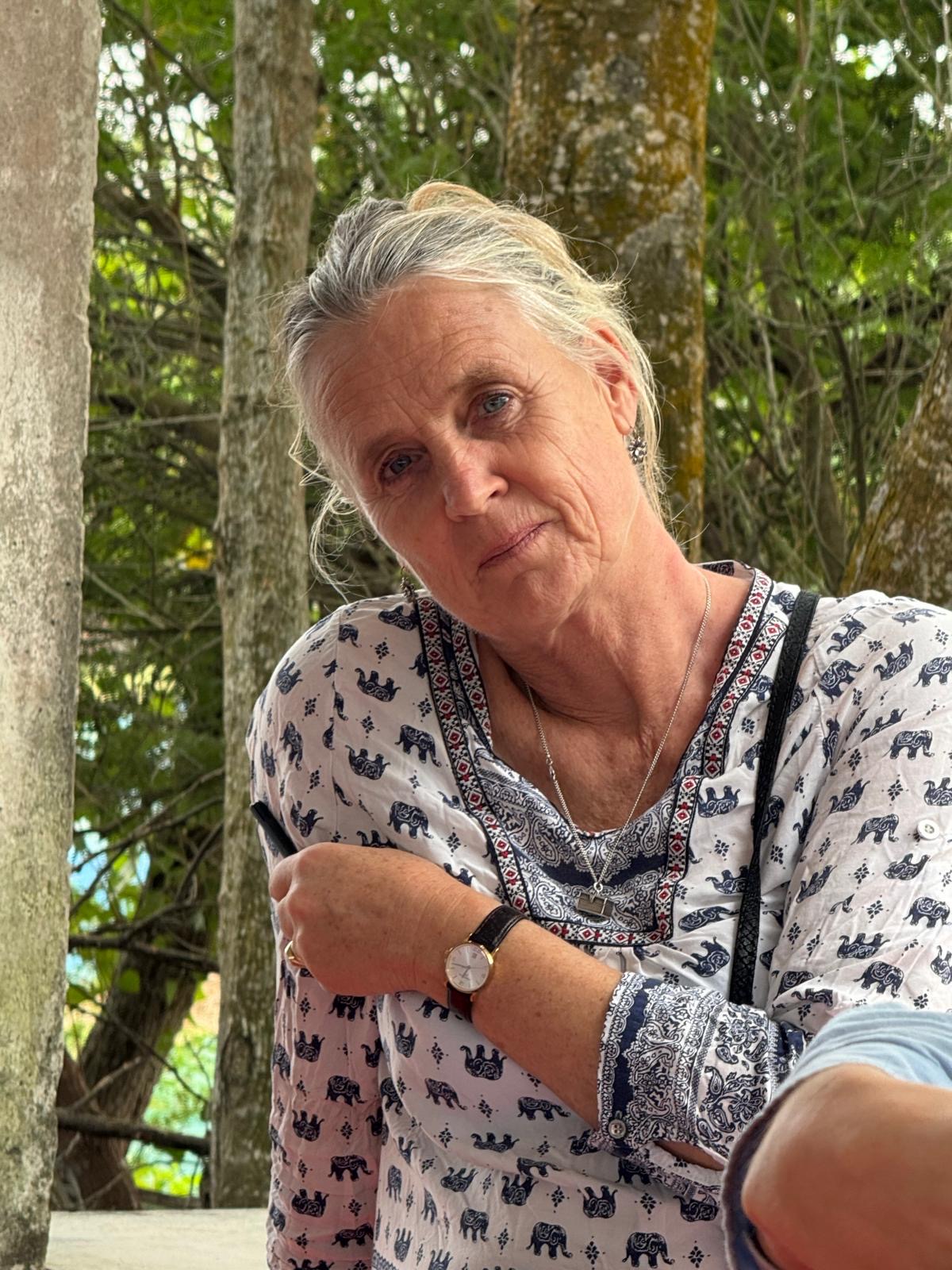
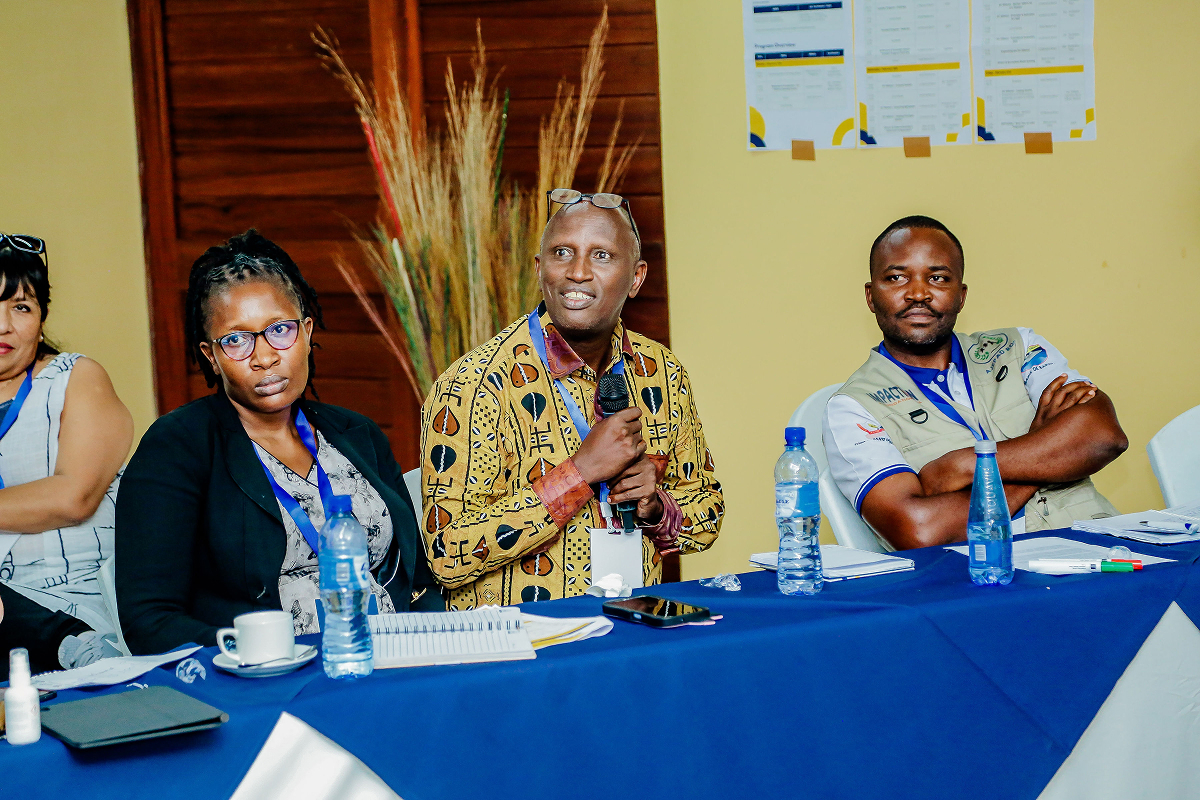
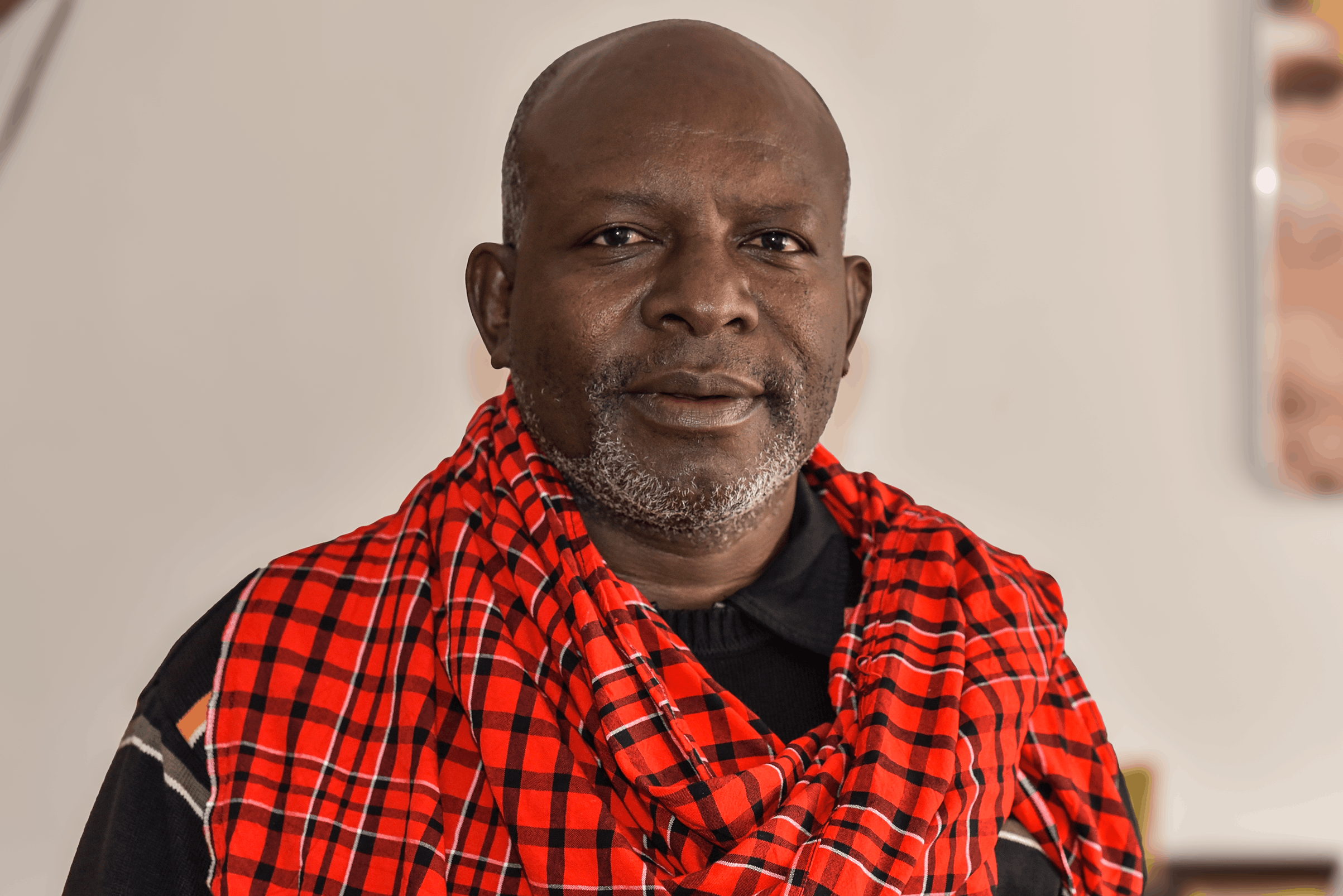
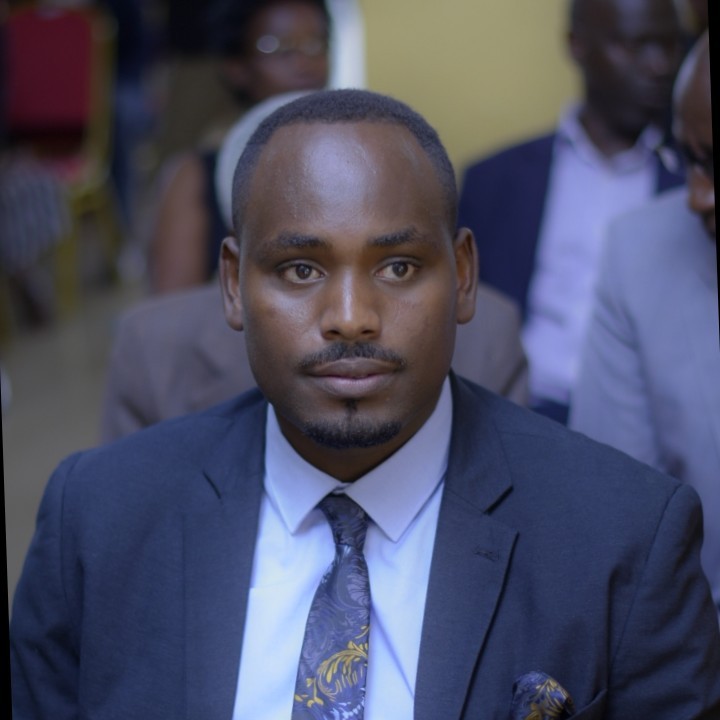
Hear more from the leaders we support
The people who make the real change happen, together with all different community stakeholders.
Frequently Asked Questions - FAQ
These are the questions we hear most often about what we do.
What is the biggest challenge of traditional development approaches, and why does TUNAFASI operate differently?
Traditional development approaches often shape priorities, decision-making, funding, and reporting requirements from the outside, rather than enabling grassroots organisations and the communities they serve to lead and define their own future. While discussions about shifting power and changing the narrative are becoming more common, genuinely locally led approaches and sustainable exit strategies remain difficult to put into practice.
As a result, many programmes are built around dependency rather than local leadership and ownership. They can become disconnected from existing systems and struggle to sustain impact once external funding ends. Too often, the focus is on delivering activities and results that satisfy donor requirements, rather than strengthening and building on the knowledge, capacities, and systems that already exist within communities. Accountability should first and foremost be directed towards local governments, communities, and the people for whom the support is intended.
TUNAFASI takes a different approach. Its role is intentionally limited, catalytic, and time-bound: supporting, connecting, and championing grassroots organisations that work alongside local government structures and systems—the actors who should lead, own, and sustain development efforts. From the outset, TUNAFASI embeds a clear exit strategy, focusing on strengthening local ownership, capacity, and leadership rather than creating long-term dependence on external funding or expertise. Through this approach, programmes are designed to remain rooted in local systems and continue delivering impact long after external support has ended.
How does TUNAFASI identify which grassroots partners to work with?
TUNAFASI works with organisations that are deeply rooted in the community, with local leadership and a shared belief that development should be led by communities and local governments, not by external actors or the grassroots ngo itself. We prioritize partnerships that focus on the most marginalized, with a focus on locally-led sustainable development approaches, and disability inclusion.
What does 'locally led and bottom-up system change' mean in practice?
Locally-led means that grassroots organisations and communities identify challenges, define priorities, and lead decision-making processes, including strategy, the approach and how funding is used. The work is about strengthening what is already there, rather than setting up parallel programme structures that fail once programme funding ends.
When local leaders and communities are genuinely in the lead and feel ownership, change stays sustainable. In DRC, within the DPRP programme, this means that CBR facilitators are paid by the State, not by the programme. Steering committees operate independently from ADED. Local authorities have integrated disability into planning and budgets. Communities contribute financially and in-kind. Systems are strengthened from within, locally-led and locally-owned from the start. That is what bottom-up system change looks like in practice. And it is also why it lasts. The exit strategy is not an afterthought, it is built into the design of every programme from day one. Investing in people and in local leadership and ownership is the spark that leads to change that lasts.
In which countries does TUNAFASI currently have partners?
TUNAFASI currently works with four grassroots organizations across three countries in Africa. In eastern DRC, we work with ADED and AJEPAD on Disability Prevention and Rehabilitation Programs (DPRP) to promote disability inclusion and system strengthening. In Tanzania and Kenya, the Pastoral Women's Council and IMPACT Kenya focus on climate adaptation and resilience by strengthening local agency and local systems.
How can I support TUNAFASI’s work?
Yes, supporting our organisation is very welcome. to support TUNAFASI's work. We welcome those who share our belief in bottom-up sustainable development, through trust-based partnerships, and locally-led programmes with a clear exit strategy. Your support enables us to reach more marginalised communities across the world. Feel free to contact us to explore opportunities and how to get involved.