Join a growing funding network of change
TUNAFASI bridges the gap between grassroots organizations and funding partners - focusing on the people most often left behind, in low-income and conflict-affected contexts like Eastern DR Congo, rural Kenya and Tanzania.
Supporting a grassroots partner means joining a growing movement of organisations committed to funding bottom-up system change, locally-led and trust-based partnerships.


How TUNAFASI works with
funding
TUNAFASI works with two types of funding: programme funding and organisational funding.
Program funding: at least 90% of every euro goes directly to our grassroots partners in the Global South. We also strongly encourage direct funding between grassroots partners and funders, supporting to build strengthen direct trust between them.
Organizational funding: to grow impact, TUNAFASI is seeking organisational funding for a defined period of four years. To invest in the capacity to reach more communities and strengthen more partners. After these four years, organisational funding stops and TUNAFASI sustains itself entirely on the 10% of programme funding.
Why your support is needed
TUNAFASI has over 25 years of experience in locally led and sustainable exit programs, including Inspire2Care in Nepal (also known as the DPRP approach), and has seen how sustainable impact grows when communities lead and own their challenges and come up with their own solutions.
Between 2026 and 2030, we aim to grow from 2 to 13 Disability, Prevention, and Rehabilitation (DPRP) programs - reaching more than 650,000 people directly, at around €6 per person. In addition we plan on connecting even more local leaders and organisations (including those outside the DPRP) with knowledge, networks, and potential funders.
Your support does not create dependency. It accelerates locally owned, sustainable systems that keep generating change long after external funding ends.
What your support makes possible
Make sustainable impact
90% of every euro goes directly to grassroot organizations and communities. Your funding strengthens locally-led systems and supports communities to lead solutions that last.

Reach fragile communities
We work in complex, hard-to-reach contexts like Eastern Congo — focusing on the people most often excluded, even within already vulnerable communities.
Fund with confidence
Working in complex contexts comes with risks. That is why we support grassroot organizations to strengthen program quality and sustainability — keeping costs low and impact high.
Connect with like minded funders
When you support a partner, you join a growing network of funders sharing the mission on locally led impact. We also host inspiring events—online and in-person — to connect, learn, and share.
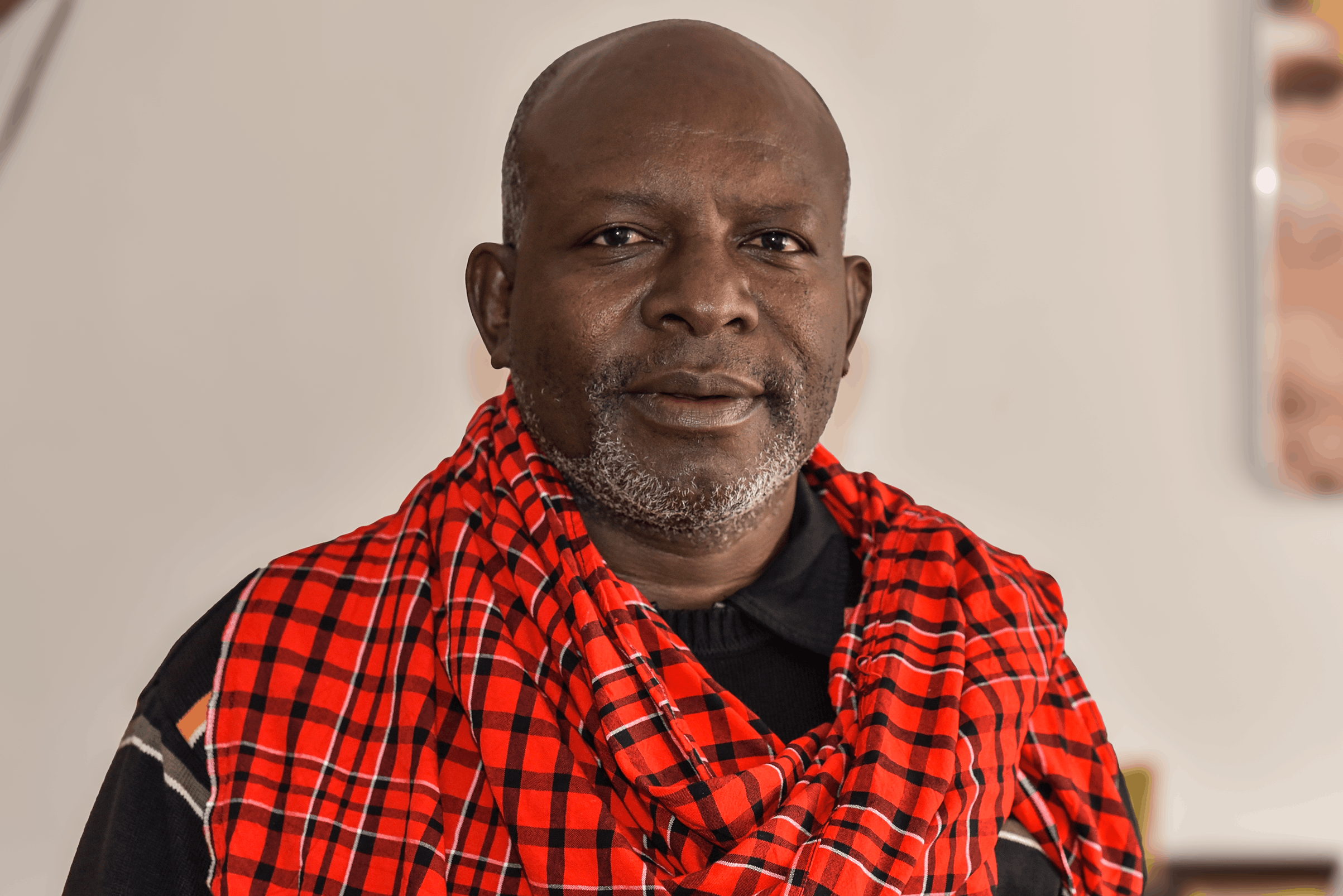
TUNAFASI and IMPACT Kenya's vision are aligned, we both believe and trust that communities need direct funding to address their challenges and also to drive their own development.
Frequently Asked Questions - FAQ
Wondering if there is a fit? These are the questions we hear most often.
What is the biggest challenge of traditional development approaches, and why does TUNAFASI operate differently?
Traditional development approaches often shape priorities, decision-making, funding, and reporting requirements from the outside, rather than enabling grassroots organisations and the communities they serve to lead and define their own future. While discussions about shifting power and changing the narrative are becoming more common, genuinely locally led approaches and sustainable exit strategies remain difficult to put into practice.
As a result, many programmes are built around dependency rather than local leadership and ownership. They can become disconnected from existing systems and struggle to sustain impact once external funding ends. Too often, the focus is on delivering activities and results that satisfy donor requirements, rather than strengthening and building on the knowledge, capacities, and systems that already exist within communities. Accountability should first and foremost be directed towards local governments, communities, and the people for whom the support is intended.
TUNAFASI takes a different approach. Its role is intentionally limited, catalytic, and time-bound: supporting, connecting, and championing grassroots organisations that work alongside local government structures and systems—the actors who should lead, own, and sustain development efforts. From the outset, TUNAFASI embeds a clear exit strategy, focusing on strengthening local ownership, capacity, and leadership rather than creating long-term dependence on external funding or expertise. Through this approach, programmes are designed to remain rooted in local systems and continue delivering impact long after external support has ended.
How does TUNAFASI identify which grassroots partners to work with?
TUNAFASI works with organisations that are deeply rooted in the community, with local leadership and a shared belief that development should be led by communities and local governments, not by external actors or the grassroots ngo itself. We prioritize partnerships that focus on the most marginalized, with a focus on locally-led sustainable development approaches, and disability inclusion.
How do you build mutual ‘trust’?
TUNAFASI invests time in getting to know each partner’s motivations, ambitions, strengths, and challenges. When there is genuine mutual understanding, both parties feel safe to speak openly about failures, doubts, and learnings. That honesty is what makes a partnership work. This foundation is part of TUNAFASI’s core principles.
How much of my donation reaches the community?
At least 90% of our program funding goes directly to grassroots organizations and communities. We keep our overhead low by design: a small, lean team focused on coordination and strategic support rather than running programs ourselves.
In which countries does TUNAFASI currently have partners?
TUNAFASI currently works with four grassroots organizations across three countries in Africa. In eastern DRC, we work with ADED and AJEPAD on Disability Prevention and Rehabilitation Programs (DPRP) to promote disability inclusion and system strengthening. In Tanzania and Kenya, the Pastoral Women's Council and IMPACT Kenya focus on climate adaptation and resilience by strengthening local agency and local systems.
What does 'locally led and bottom-up system change' mean in practice?
Locally-led means that grassroots organisations and communities identify challenges, define priorities, and lead decision-making processes, including strategy, the approach and how funding is used. The work is about strengthening what is already there, rather than setting up parallel programme structures that fail once programme funding ends.
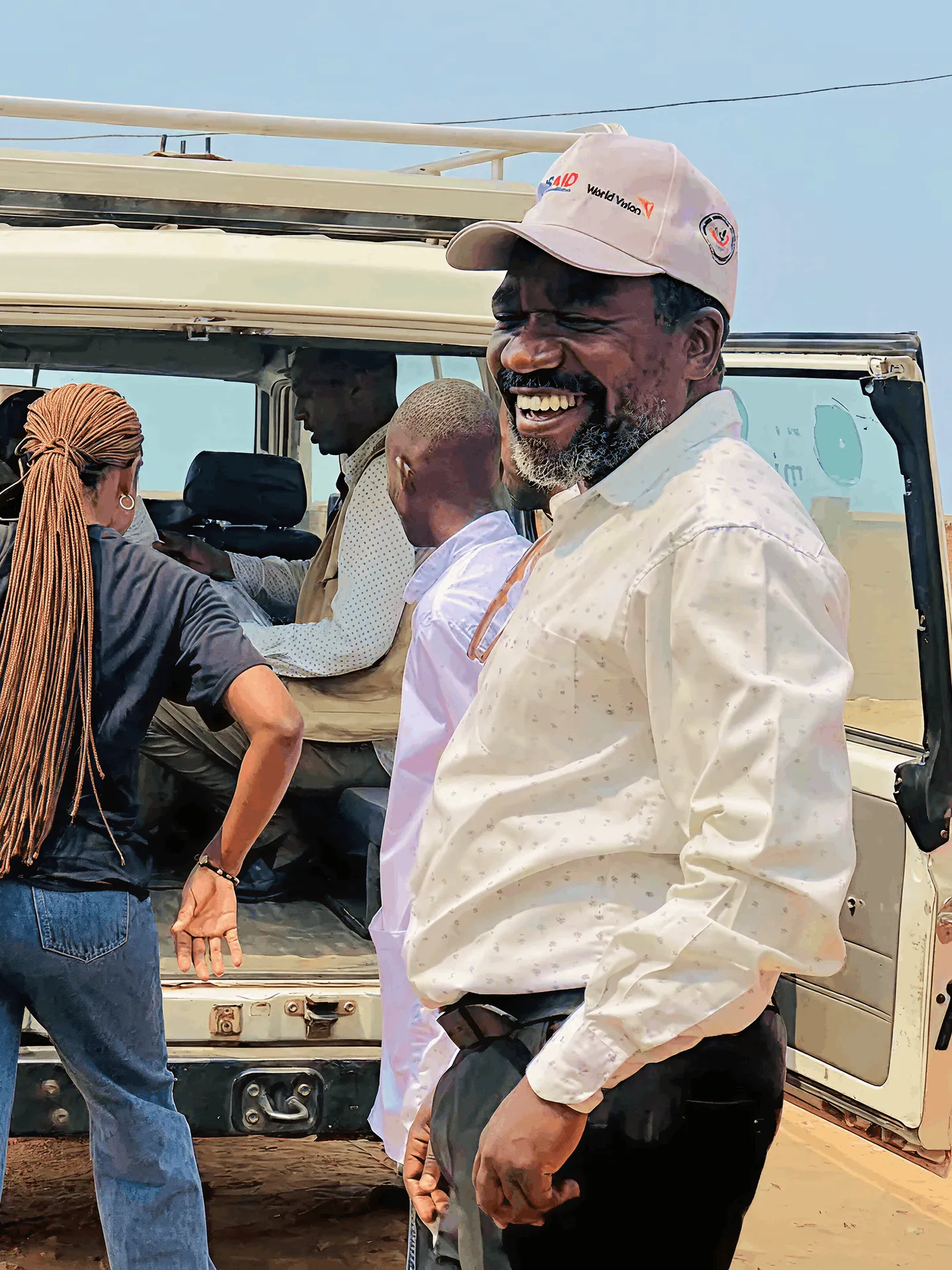
When local leaders and communities are genuinely in the lead and feel ownership, change stays sustainable. In DRC, within the DPRP programme, this means that CBR facilitators are paid by the State, not by the programme. Steering committees operate independently from ADED. Local authorities have integrated disability into planning and budgets. Communities contribute financially and in-kind. Systems are strengthened from within, locally-led and locally-owned from the start. That is what bottom-up system change looks like in practice. And it is also why it lasts. The exit strategy is not an afterthought, it is built into the design of every programme from day one. Investing in people and in local leadership and ownership is the spark that leads to change that lasts.
Interested in
learning more?
We are always open to getting to know new people in our field. Please feel free to contact us and we will get back to you.