People develop themselves - change starts locally
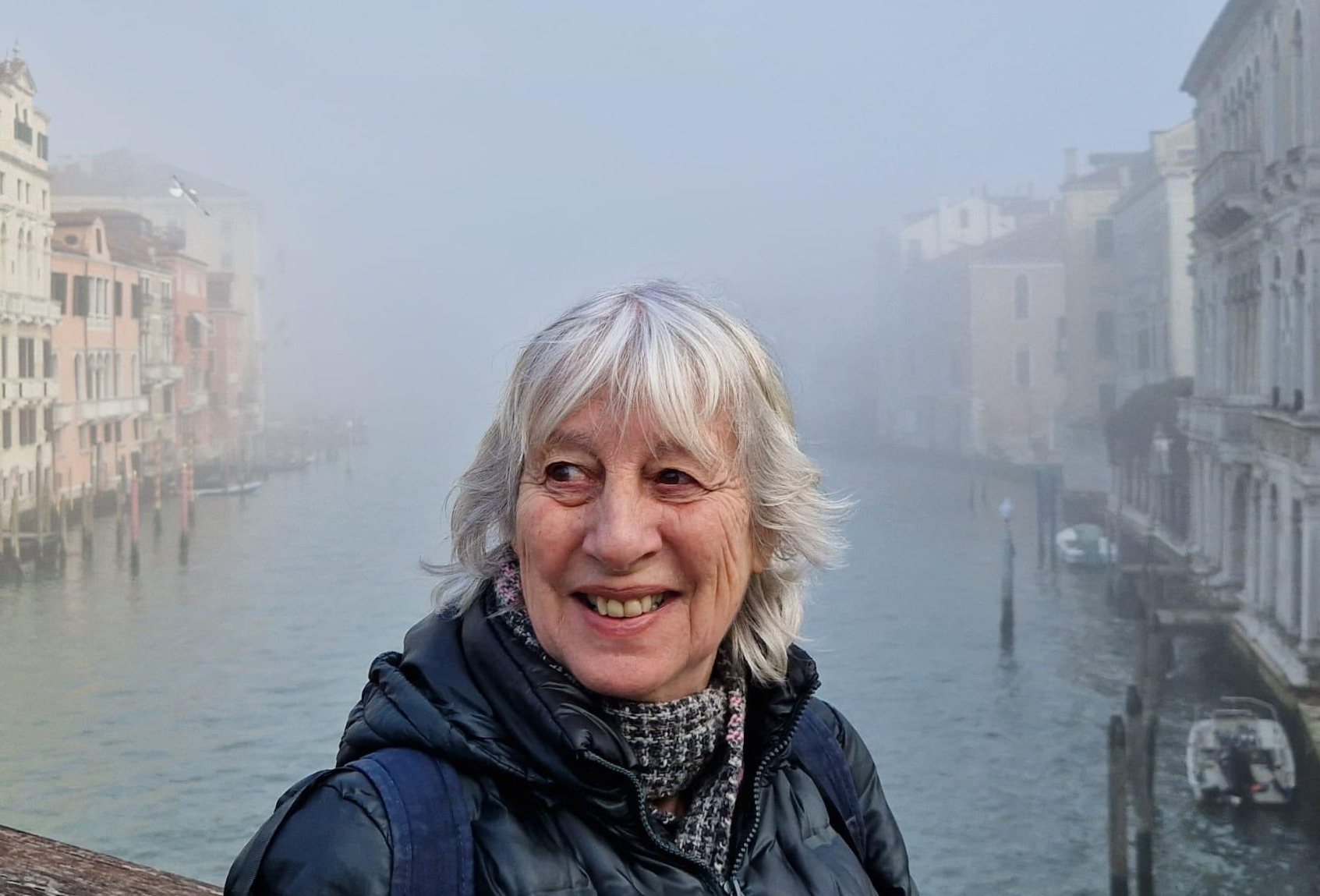
TUNAFASI was founded in 2019 (originally under the name Impaction Foundation) by Betteke de Gaay Fortman, a changemaker with decades of experience in bottom-up sustainable development approaches, disability inclusion, and social justice. She saw the deep potential of locally-led, community work, and the limitations of more traditional, top-down development aid.
The future of a community is shaped from within, by the people who live it. People develop themselves; change starts locally. That is the starting point of everything TUNAFASI does.
Our origin story: the encounter that sparked TUNAFASI
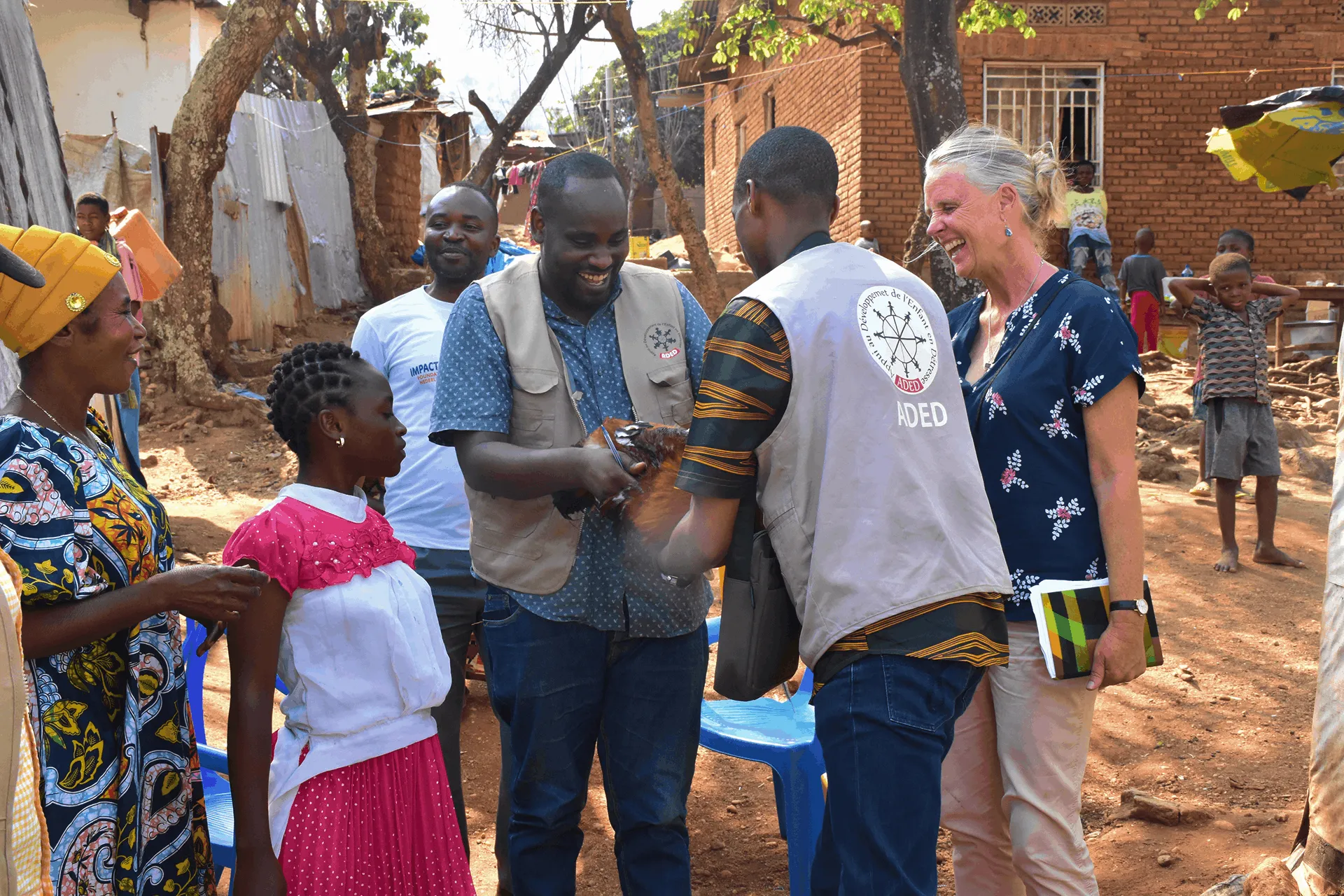
One of the moments that inspired the founding of TUNAFASI happened in 2018, a year before TUNAFASI was established. Betteke was approached by Gilbert Mututsi, director of the Congolese NGO ADED (Appui au Développement de l’Enfant en Détresse). He wanted to learn how to reach children and youth with disabilities in a sustainable way within his own community in Uvira, eastern Democratic Republic of Congo (DRC).
Inspired by his drive, Betteke encouraged him to visit the DPRP program of Karuna Foundation in Nepal. A program she had co-created during her years with Karuna from 2007 until 2019. This program aims to improve the quality of life of children with disabilities and their families, and to prevent avoidable disabilities by strengthening government health systems and empowering communities - with a clear exit strategy and local leadership from the very beginning.
After Gilbert returned, he told Betteke:
“After ten days in Nepal, I’ve learned how to move forward for the next ten years in my country.” - Gilbert Mututsi Ruturutsa
This moment marked the beginning of Betteke's commitment to supporting local leadership - built on shared ambitions, mutual trust, and a clear exit strategy from the start to ensure bottom-up and sustainable system change.
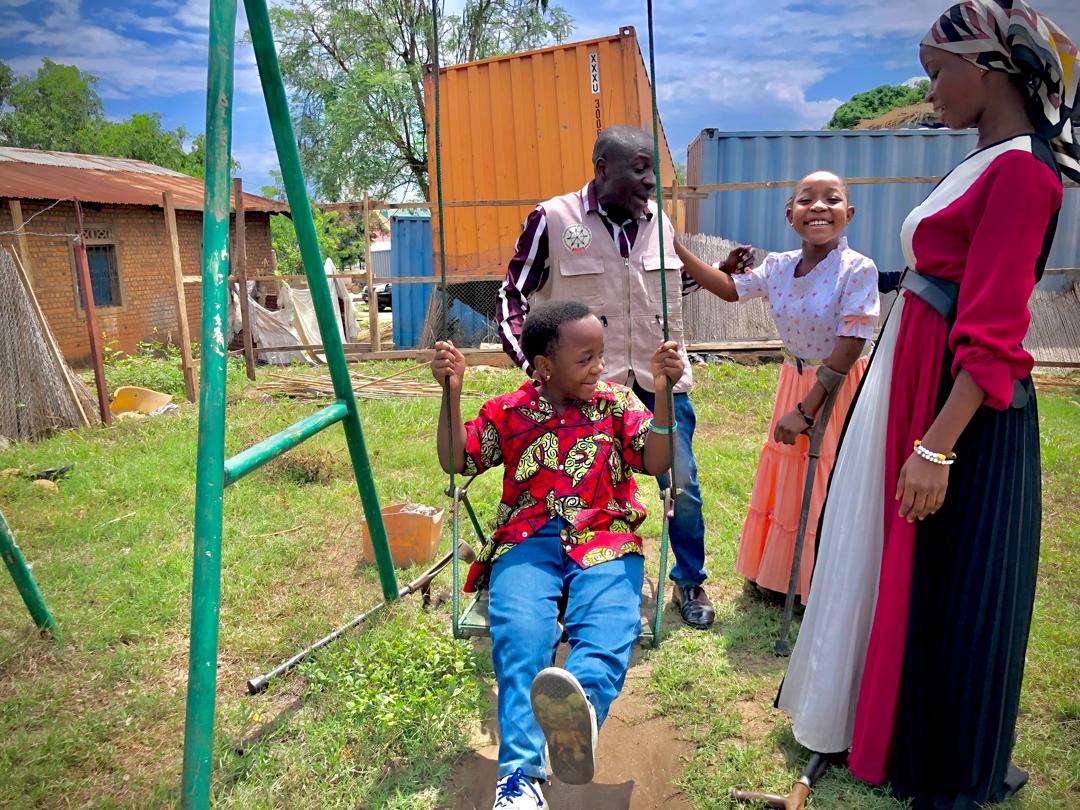
Today, TUNAFASI works with partners across the Global South, and the network keeps growing. Focussing on local leaders and grassroots organisations working with the most marginalized communities, in low-income and conflict-affected contexts. These are the communities most overlooked by existing systems, where needs are greatest, and where the smallest shift from within can spark lasting change.
Because sustainable systems that include the most marginalized work for everyone.
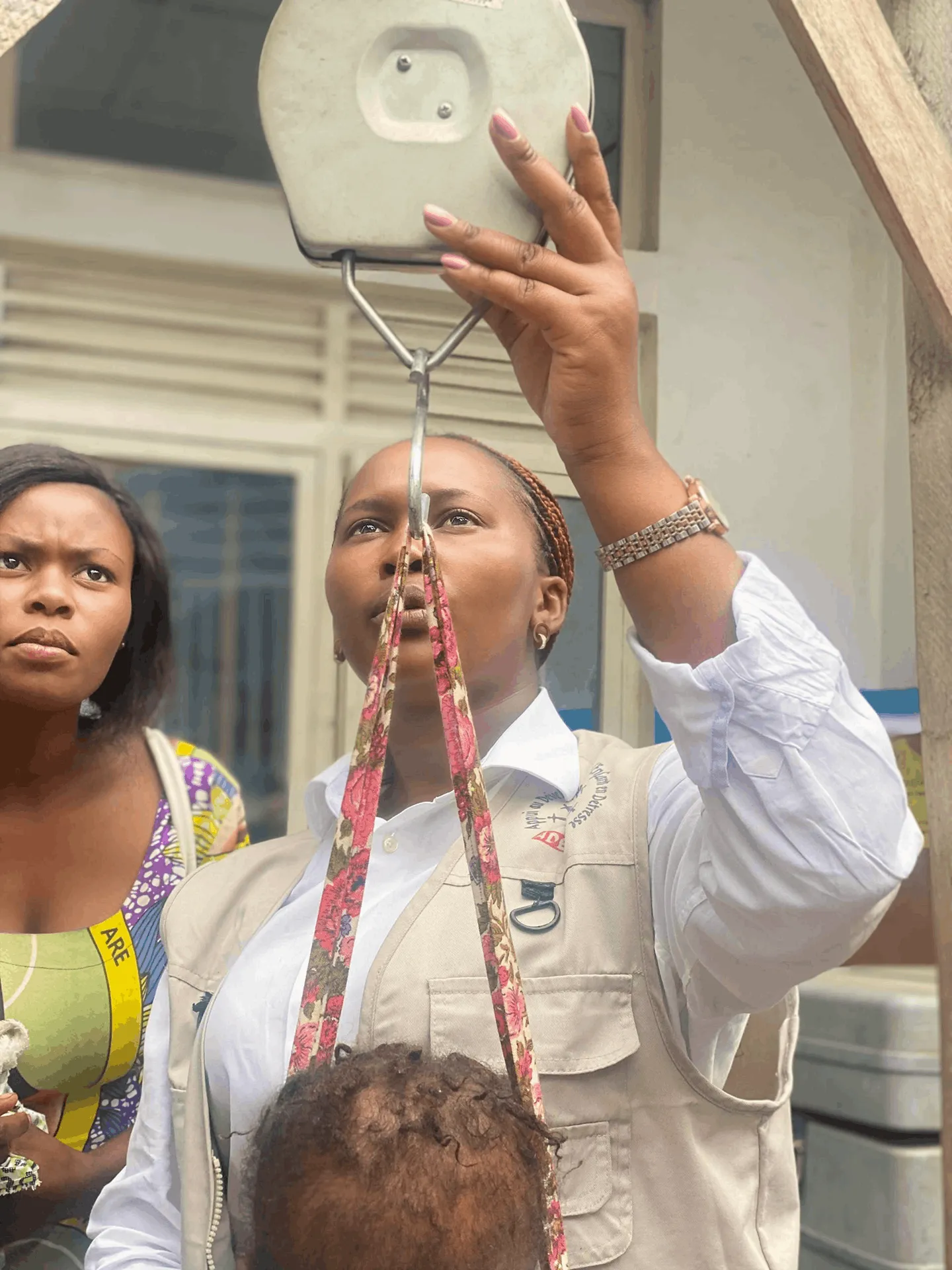
‘We can’t develop others, we develop ourselves.’ — Joseph Ki-Zerbo
Development aid and expertise from outside still too often overlooks grassroots realities and the actual needs of communities, resulting in programmes that fail to last once external support ends.
Joseph Ki-Zerbo emphasizes that true development comes from the efforts and responsibility of a community itself, rather than from outside. The future of communities is shaped from within by the people who live it, who know the history, the needs, and the solutions.
TUNAFASI exists to catalyse local leadership, offering access to technical support, networks, early-stage funding, and a platform for local leaders and grassroots organisations working with the most marginalized communities. Rooted in local agency, all towards reaching sustainable system change.
In 2021, Betteke de Gaay Fortman wrote a book with this title and message: ‘People Develop Themselves’ (in Dutch: ‘Mensen Ontwikkelen Zichzelf’). In this book, she tells the compelling story of her work experiences in Nepal, DR Congo, and Bangladesh, and offers a distinctive view on the international development sector. How can you support a community out of poverty in such a way that they can continue developing themselves? The ultimate goal is to make external support redundant as soon as possible. This is at the core of TUNAFASI's way of working.
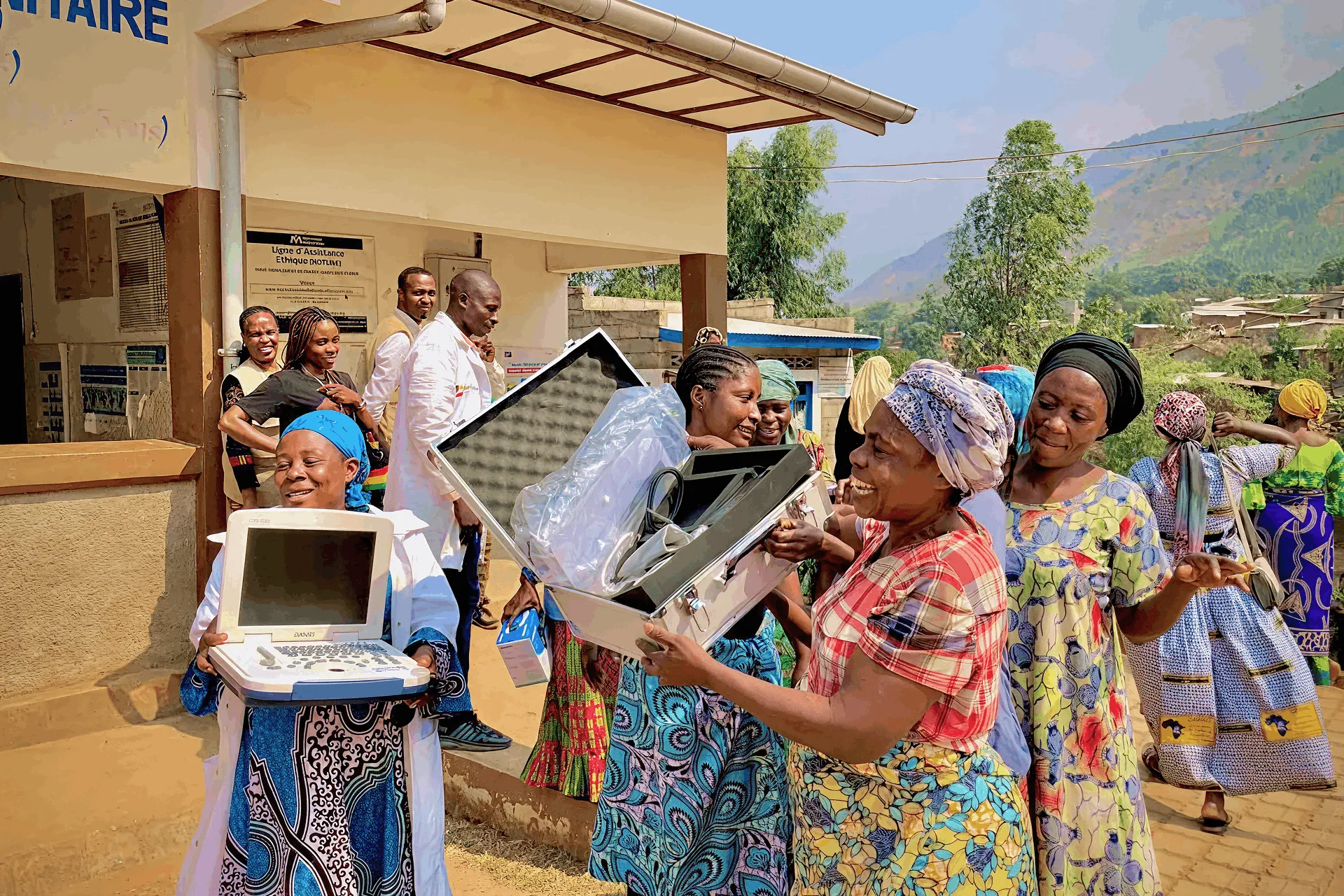
Our vision on growing smaller
TUNAFASI's role is intentionally small and demand-driven. We support until we are no longer needed — making ourselves redundant is a strategy we pursue from day one.
'Growing smaller' reflects our belief that maximum sustainable impact flourishes when initiatives are locally-led. We are there to support this process where needed— by deepening trust, learning together, and strengthening local ownership.
Through this catalyzing role, and our commitment to continuous, mutual learning and evaluation, we aim to promote sustainable impact, accountable local governments, and self-reliant communities.
Our core principles: locally-led, trust-based, and exit-ready from the start.
Meet Our Team
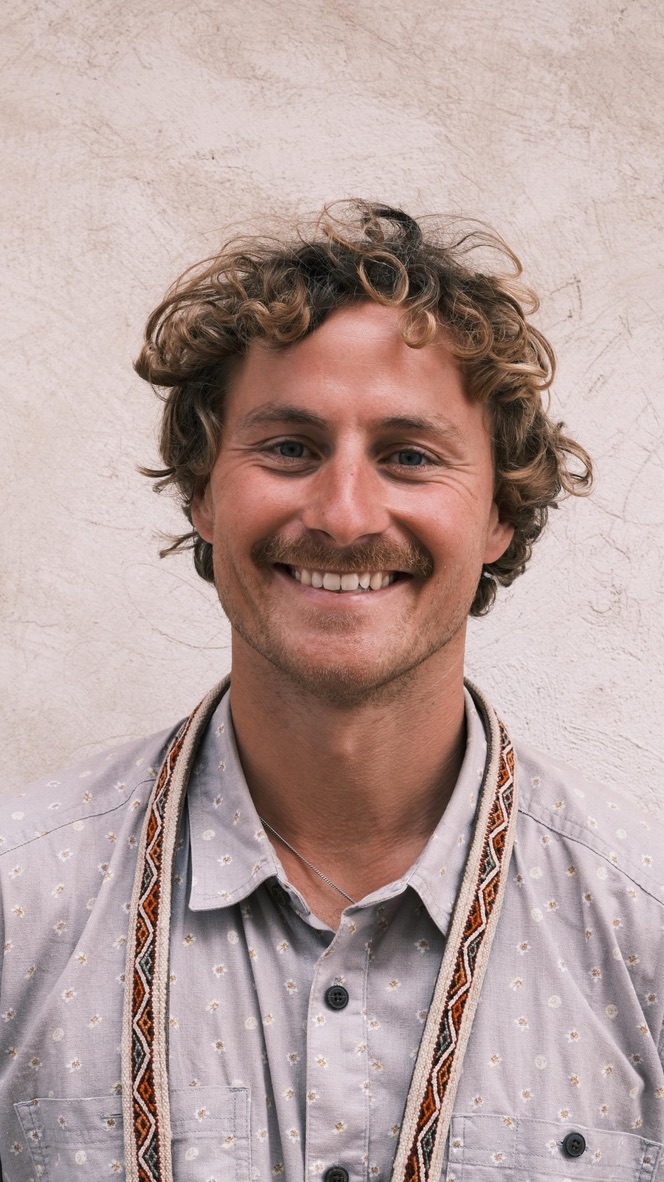
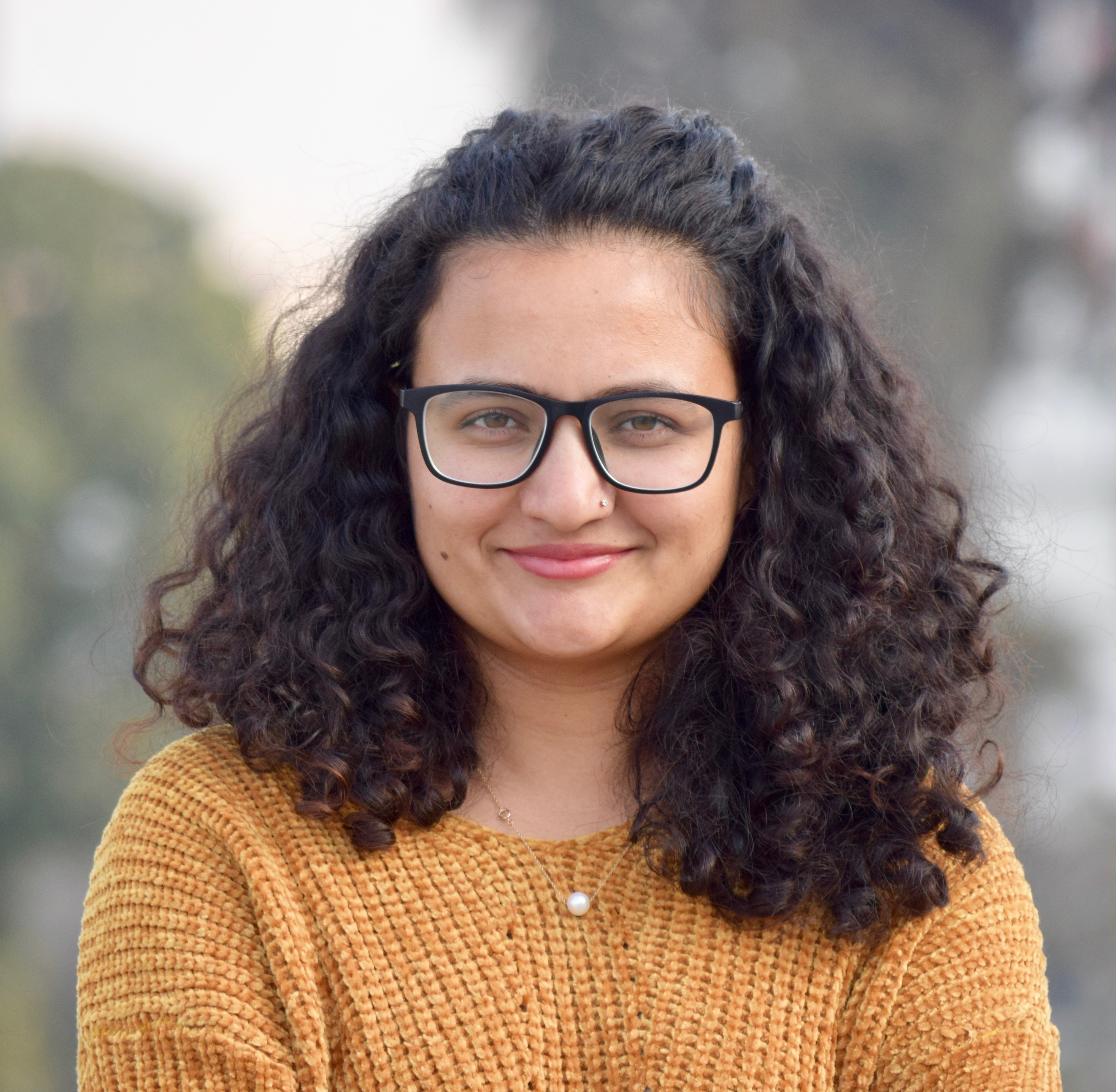
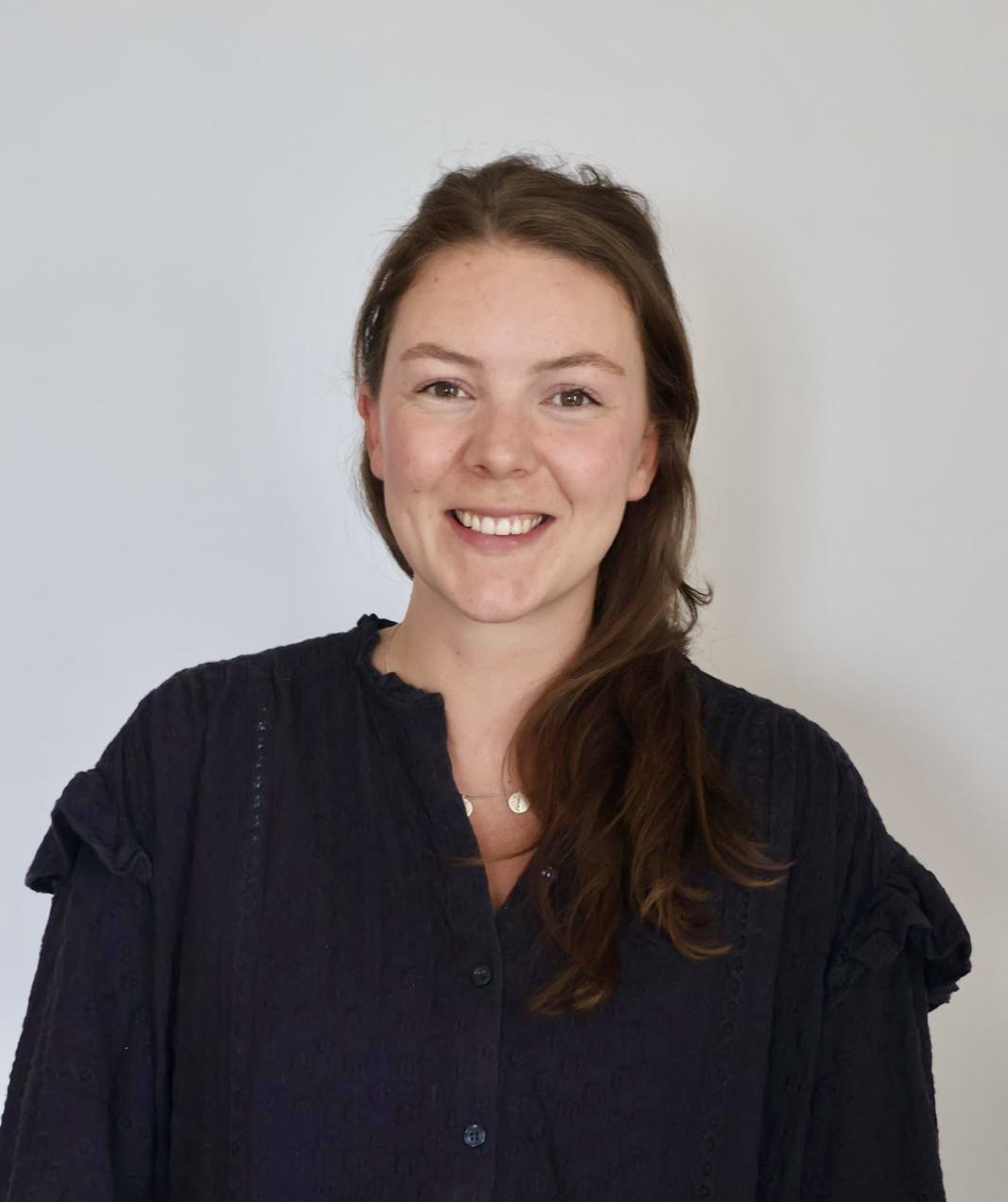
At TUNAFASI we work with different professionals who are part of our daily team, board, and volunteer group.
Meet Our Board
At TUNAFASI we work with different professionals who are part of our daily team, board, and volunteer group.
.jpg)