.jpeg)
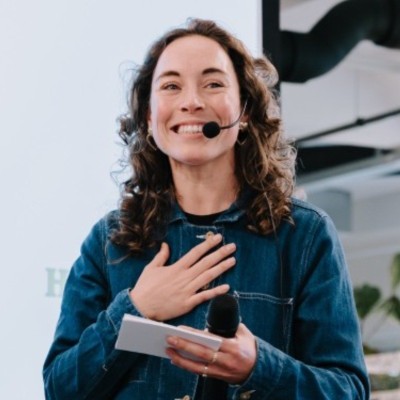
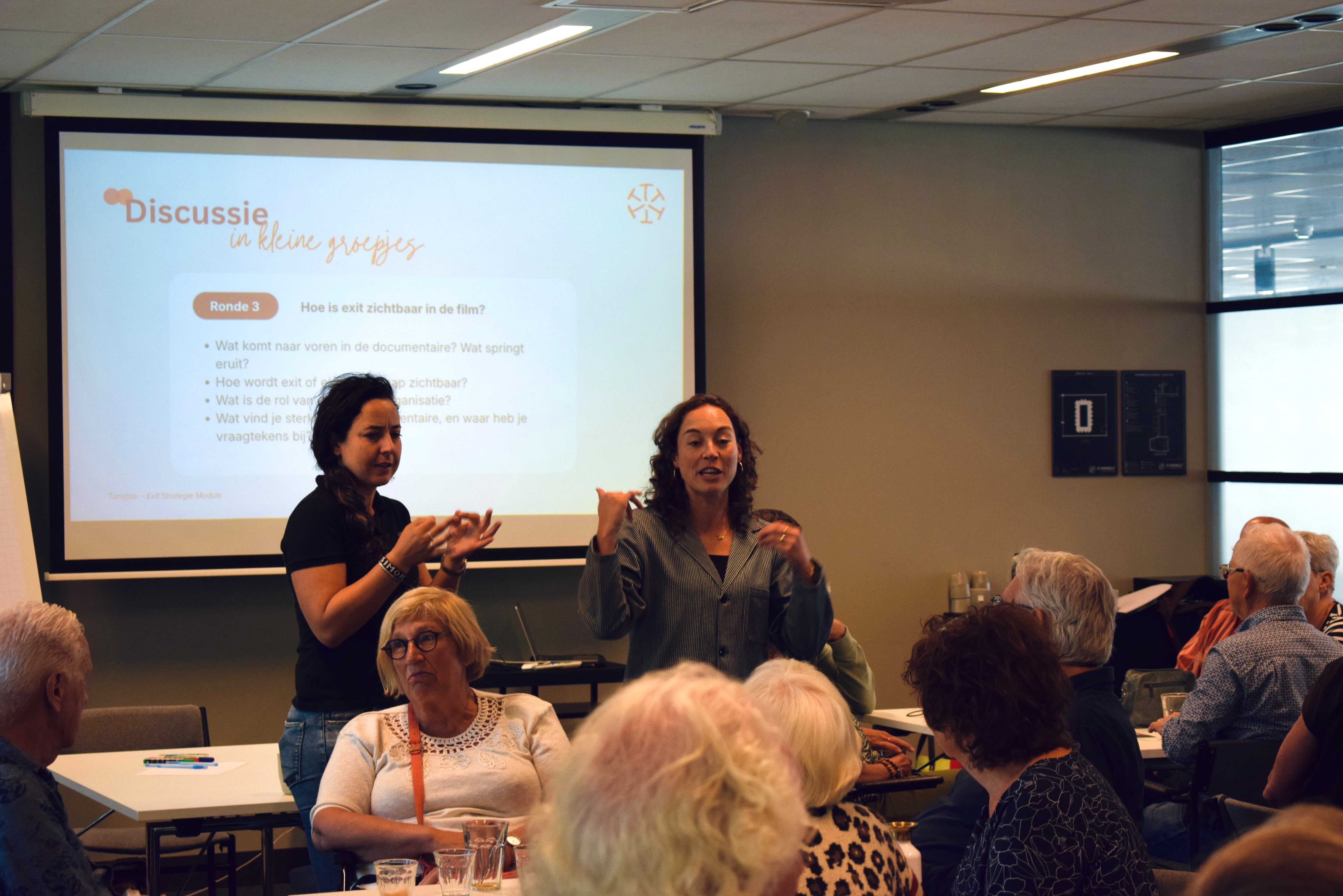
On Saturday 3 October 2026, TUNAFASI was a guest at the partner day of Stichting Vrienden van Effatha. We were invited to give a keynote speech and workshop session on the topic of ‘exit’; how it works, what role to play, and what the challenges and opportunities are. How to make sure the work and impact continues, even when you are no longer involved? It was a fruitful day of honest conversations, exchanges, self-reflection and critical questions, with the guiding thought: 'every ending is a beginning somewhere else'.
‘People develop themselves’
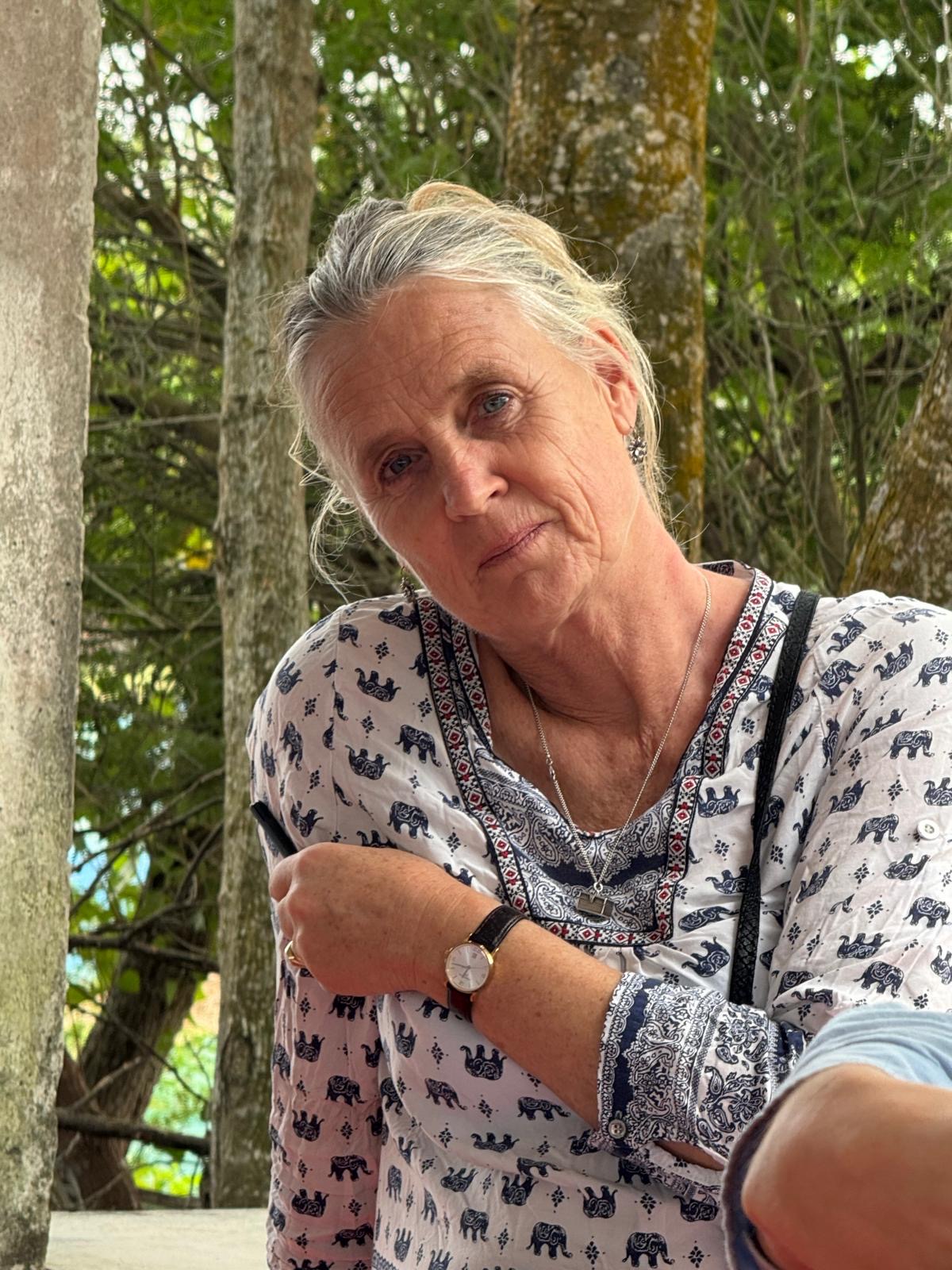
The day started with a keynote by Betteke de Gaay Fortman (founder and director of TUNAFASI). Betteke grew up in Zambia and has worked as a development expert in Latin America, Nepal, Bangladesh and DR Congo. Throughout her work, she has focused on the question of how development programmes continue after external support ends. Along the way, she learned the strength of looking at development through an entrepreneurial lens: using a minimum of resources to reach maximum impact, spending money as if it were your own, and making sure that ownership and accountability lie with communities and governments themselves. She travelled to India, where projects were already working more towards sustainability and with exit strategies. She also learned about Joseph Ki-Zerbo, a philosopher from Burkina Faso: "you cannot develop people, you can only give them the space and the confidence so that they can develop themselves". Development comes from within and starts with a firm belief in the strength of others.
Betteke spoke about her work in Nepal, where Karuna Foundation developed the Disability Prevention and Rehabilitation Programme (DPRP). The programme aims to strengthen the existing health, education and social systems so that children with disabilities can also have access to those services and live a more dignified life. A clear exit was built in from the start. The programme began in a few villages in Nepal and has now been scaled up to an entire province, with the government taking full leadership.
This anchoring is also visible in DR Congo, where the approach was adapted to the local context by the Congolese ngo ADED. Community-based rehabilitation (CBR) workers did not exist in the Congolese system at first; now they are recognised, paid and part of primary healthcare. Local CBR steering committees now meet and make decisions, even without ADED at the table.
Making your own role redundant
Part of a good exit is having the courage to make your own role redundant. That sounds simple, but Betteke shared honest insights into how difficult that can be. This is especially true for private initiatives in the development sector, many of which were started years ago by committed individuals. For them, the projects they support are often a life's work into which they dedicated their heart and soul. Letting go can easily feel like saying goodbye.
Yet this raises a critical question: whose development is it? Development cannot be driven from the outside; it has to come from within, from the people and communities themselves.
Making your role redundant does not mean the work you do no longer matters. On the contrary: it means trusting that the work can keep growing and flourishing without external support. After all, the work was never truly 'ours'; accountability and ownership belong to those who carry it forward. Stepping back means shifting ownership, decision-making and responsibility to grassroots partners, communities and governments.
This calls for a constant balance between closeness and distance, between involvement and letting go. It means having confidence in grassroots partners, building in an exit strategy from the start, regularly reflecting on roles and responsibilities, and daring to accept that stopping is an option. After all, people develop themselves.
Talking about exit
After the keynote, participants were divided into small groups to get into conversation with each other. There were no right or wrong answers; it was about honest reflection, exchanging learnings, experiences and brainstorming about new ideas.
The question of what the word exit does to you stirred up a lot. People spoke about fear, uncertainty and not knowing what comes next, but also about the space that opens up when you let go: space for local ownership, for new opportunities and for new marginalized groups to be reached. The term itself also caused some confusion, and several participants wondered whether another word might be a better fit. Participants reflected on their own role, and on what small step they could take to make that role smaller.
The role of government came up again and again in the conversations. Involving the government from the start is key to a lasting exit, but it also raises difficult questions. What do you do when governance is weak or absent, or when there are concerns about corruption? How do you approach a government that has little capacity or interest? An important insight was that these are not questions for an external organisation to solve. They belong with the grassroots organisations that are doing the work, as they are the ones who work directly with their own community and government, and who lobby and advocate for change. The role of an external partner is to catalyze, stimulate and give space for local needs, ideas and approaches in their development.
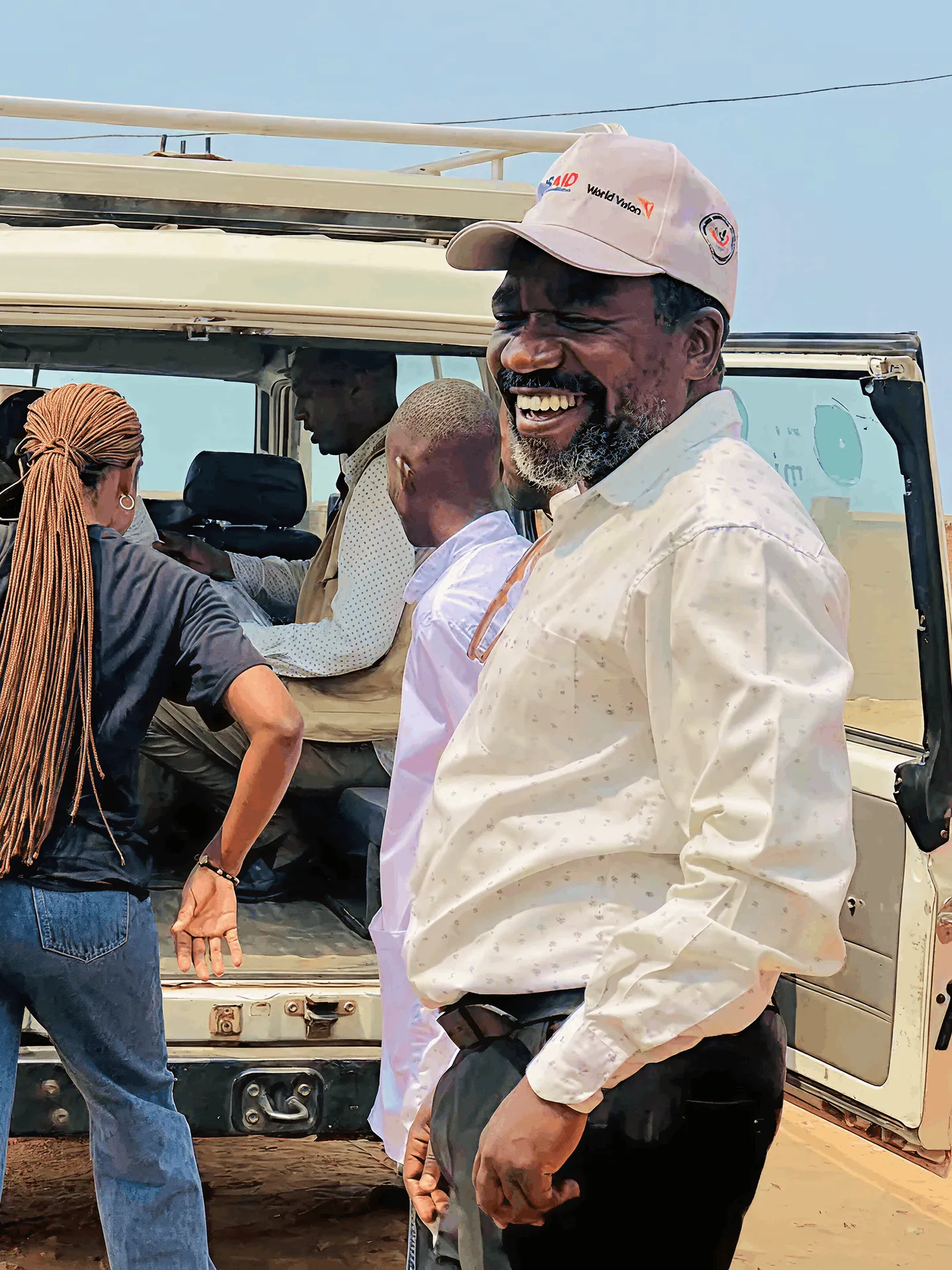
During the day, a part of the documentary Mabele na Biso ("Our Land") by Congolese filmmaker Petna Ndaliko Katondolo of Alkebu Film Productions was shown. Giving more insights on how 'aid' and ‘dependence’ versus 'independence' are concepts that often shape how the West engages with and imagines the Global South. But what does independence really mean in an increasingly globalised world? The film explores this question through the work of GOVA (Association of Villages' Organisation of Self-Development) in Isangi, in the Tshopo province of DR Congo. There, villages have built a self-sufficient community that manages its own resources and development. The documentary offers a local perspective on community leadership, development and the view on Western development aid, which was an interesting starting point for talking about what exit and ownership look like in practice. Watch the documentary here.
Seeds planted
The day closed with a plenary session, in which each group shared what they were taking away from the conversations. We hope some small seeds were planted: for new conversations within participants' own organisations and partnerships, and about how work so close to their hearts can carry on, even without external support. After all, every ending is an entry somewhere else.